
Our Story
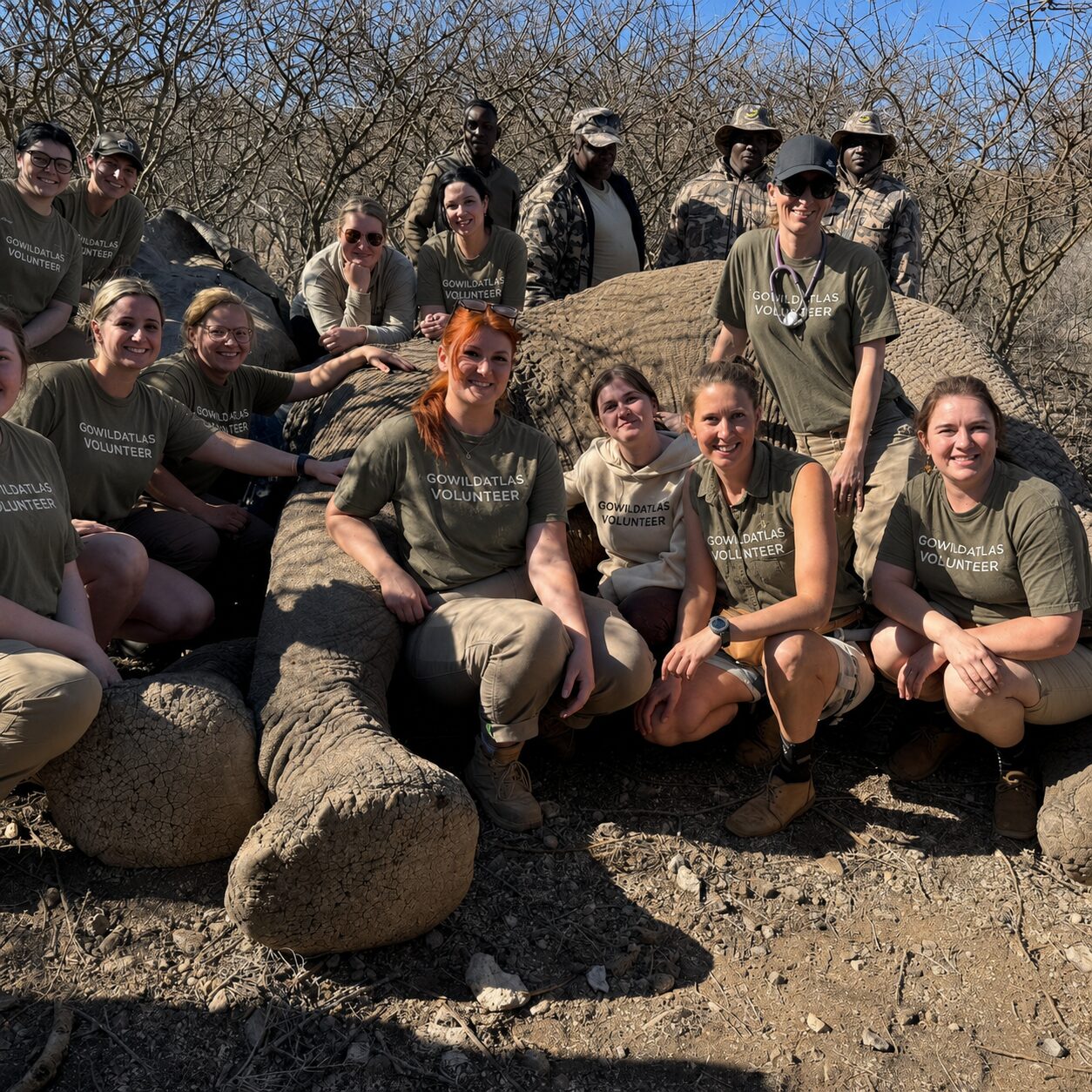
In South Africa, the fight to protect some of Africa's most iconic animals was becoming impossible to ignore. Rhinos were being lost to poaching, while elephants faced a world increasingly shaped by human pressure. Even within the vast wilderness of Kruger National Park, their future was far from secure.
It was a reminder that loving wildlife and protecting it are two very different things.
Our journey began with a wildlife veterinary programme in South Africa. It brought us closer to the realities of conservation and sparked a question that would shape everything that followed:
What if people could do more than admire wildlife? What if they could experience conservation firsthand?
What if veterinary students could explore wildlife medicine beyond the classroom? What if aspiring conservationists could gain field experience, marine science students could discover the ecosystems they study, and nature lovers could volunteer abroad and become part of something bigger than themselves?
That question became the beginning of GoWildAtlas.
Three principles shape the way we approach wildlife, conservation and the experiences we create.
Discover Africa beyond the familiar. From iconic wildlife reserves and vast savannahs to desert landscapes, wetlands and vibrant coral reefs, each destination offers a different perspective on the natural world and the species that depend on it.
Move beyond observation and learn through responsible participation. Depending on your programme, gain exposure to wildlife veterinary activities, animal monitoring, conservation research, field observations or marine conservation alongside experienced professionals.
Develop a deeper understanding of what protecting wildlife really involves. From animal welfare and habitat protection to human-wildlife coexistence and marine ecosystems, responsible conservation begins with knowledge, respect and informed action.
In the end, we will conserve only what we love; we will love only what we understand; and we will understand only what we are taught.
Baba Dioum, 1968
Wildlife volunteering abroad offers a way to discover new environments, learn from experienced teams and develop a closer understanding of conservation. GoWildAtlas brings together experiences for people who want to explore the natural world while engaging with the work taking place within it.
Every programme is different. Your experience depends on the destination, field conditions, project priorities and your background. The aim is to learn, participate responsibly and gain a more informed perspective on wildlife and conservation.
Explore wildlife veterinary environments, animal health assessments and conservation medicine. Depending on the programme and your qualifications, opportunities may include observing or assisting with appropriate veterinary activities under professional supervision.
Discover wildlife monitoring, predator conservation, field observations and human-wildlife coexistence. Learn about the challenges of protecting animals and their habitats in changing landscapes.
Explore coastal ecosystems and marine biodiversity. Depending on your destination, activities may introduce you to sea turtle conservation, reef environments, marine surveys and coastal fieldwork.
Discover the observations, monitoring methods and field data that help conservation teams understand wildlife populations, ecosystems and environmental challenges.
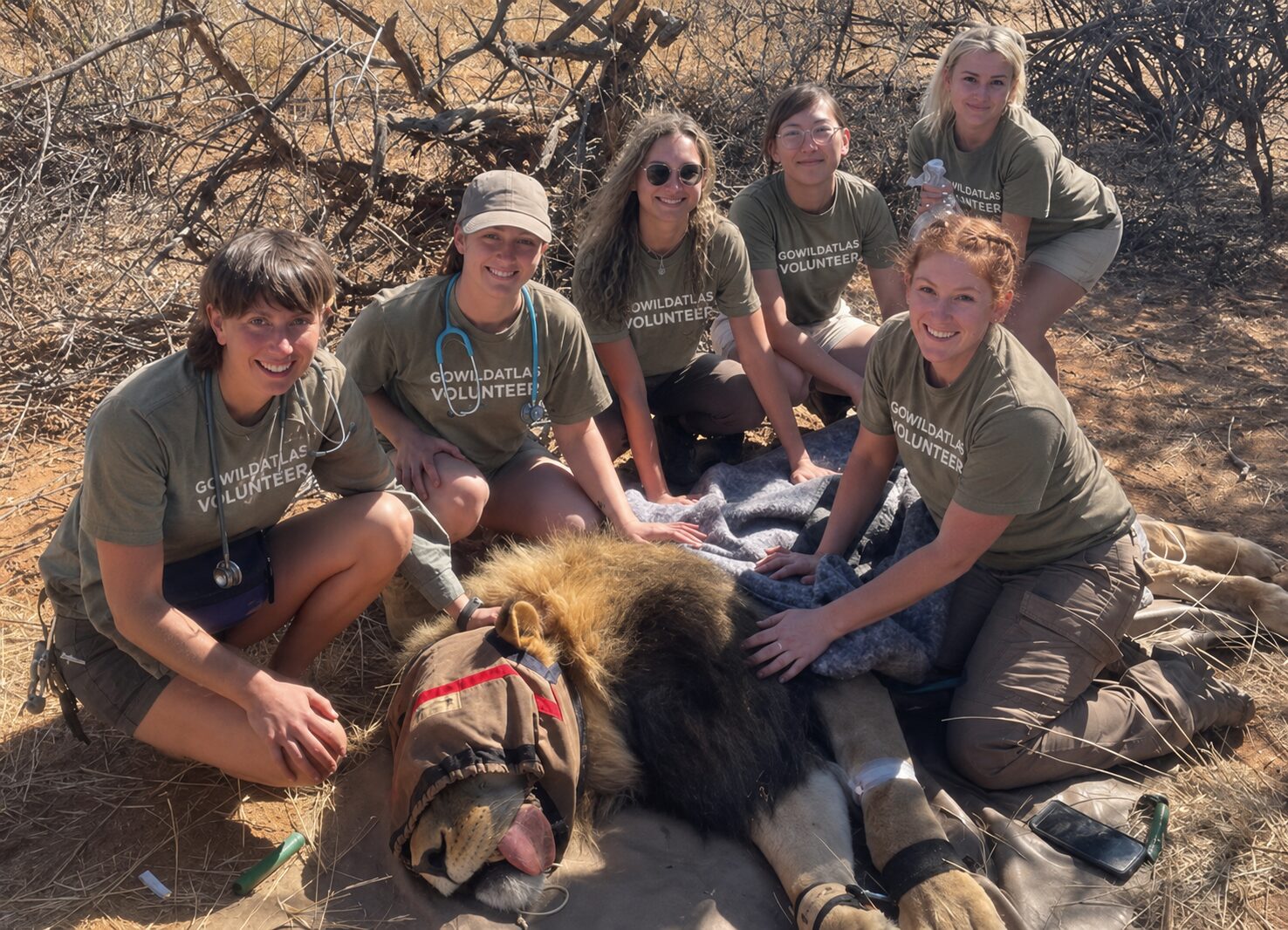
Conservation brings together people with different interests, ambitions and reasons for being there. Whether you're developing professional skills, exploring a future career, taking a gap year or following a lifelong passion for wildlife, there's more than one way to begin.
For people looking to share a meaningful experience around wildlife and nature. Family participation and age suitability depend on the specific programme and its requirements.
For those interested in wildlife medicine, animal health and veterinary conservation work beyond conventional clinical settings. Veterinary responsibilities depend on qualifications, programme requirements and professional supervision.
For veterinary nurses and technicians interested in wildlife health, animal care and learning about veterinary work in conservation environments.
For students seeking exposure to biodiversity, ecological monitoring, marine ecosystems and conservation approaches beyond the classroom.
For people exploring conservation careers, learning about field research or discovering how their academic interests connect with real-world environmental challenges.
For people whose curiosity about animals and the natural world goes beyond sightseeing, and who want to develop a deeper understanding of conservation through a field-based experience.
For those taking time between studies, considering a new direction or looking for meaningful volunteering opportunities abroad that combine exploration with learning.
You don't need to be a wildlife professional to begin exploring conservation. Bring your curiosity, respect for the natural world and willingness to learn.
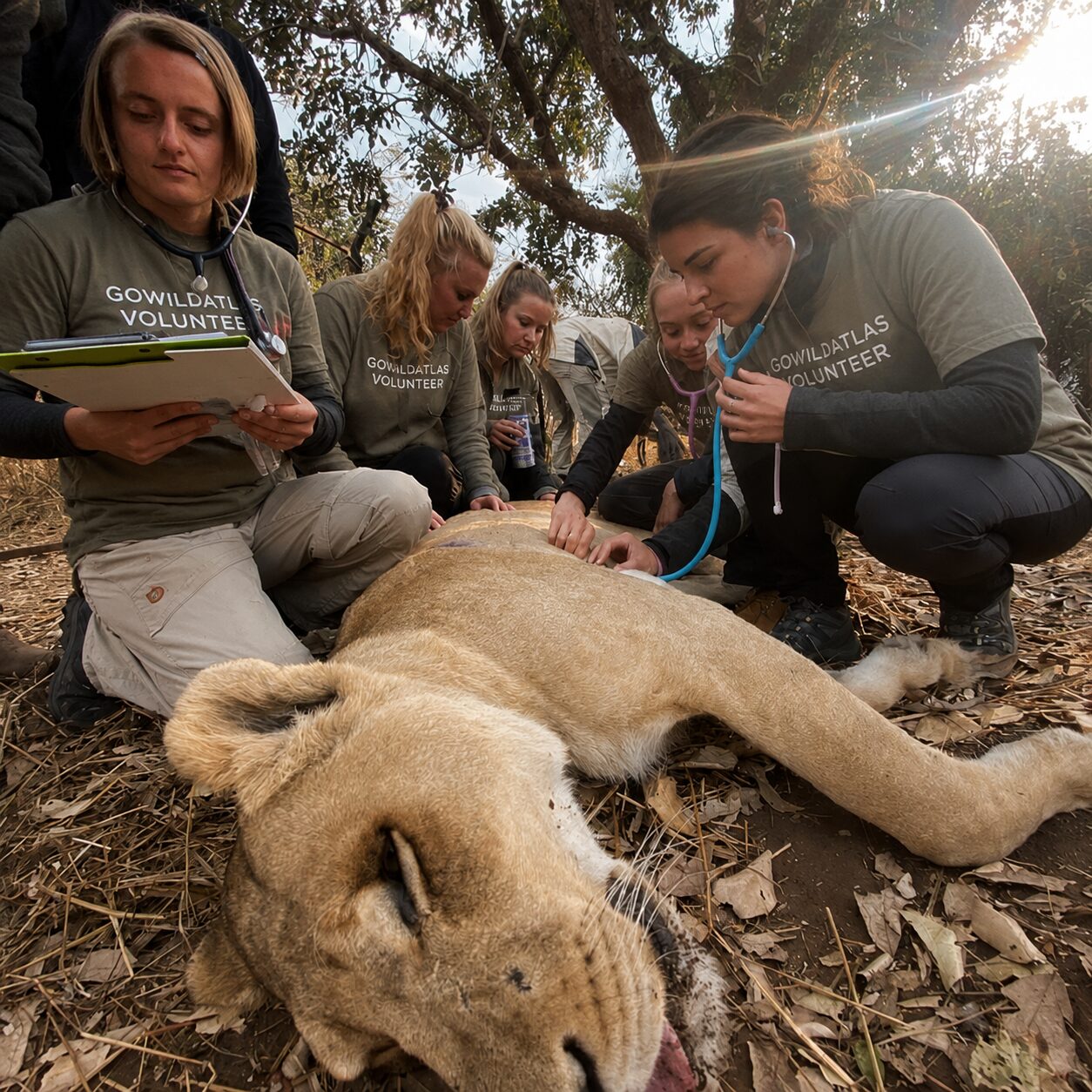
Africa is not one landscape, one ecosystem or one conservation story. Our programmes span diverse environments, each offering a different perspective on wildlife and the work involved in protecting it.
Discover wildlife veterinary environments, terrestrial conservation and marine ecosystems in a country renowned for its ecological diversity.
Experience Botswana's extraordinary landscapes, including the Okavango Delta, and discover the conservation challenges of one of Africa's remarkable wildlife regions.
Explore arid landscapes and wildlife conservation in environments where adaptation, habitat and human-wildlife coexistence are central to the story.
Discover the relationship between wildlife, communities and conservation across the savannah and along the Indian Ocean coast.
Explore terrestrial and marine conservation, from iconic wildlife landscapes to coastal and island ecosystems shaped by the Indian Ocean.
Conservation happens in real environments, with living animals, changing conditions and priorities that can shift from one day to the next. We believe participants should understand that reality before they arrive.
Animal welfare, safety and conservation priorities guide field activities. Wildlife sightings, veterinary procedures and specific encounters cannot be guaranteed.
Weather, animal movements, tides and project needs can influence daily plans. Flexibility is part of learning how conservation works in practice.
Participants follow field-team guidance, respect wildlife and local communities, and take part only in activities appropriate to their programme, training and experience.
A veterinary internship abroad. Your first experience in
wildlife conservation. A deeper understanding of the natural
world you've always cared about.
Whatever brings you here, discover a programme that connects
your interests with wildlife and marine conservation across
Africa.