14 days. Two ecosystems. One wild conservation story.
Track predators across the Maasai Mara. Step into the lives of communities
living alongside them. Then trade the savannah for the Indian Ocean and
get involved in marine conservation on the Diani coast.
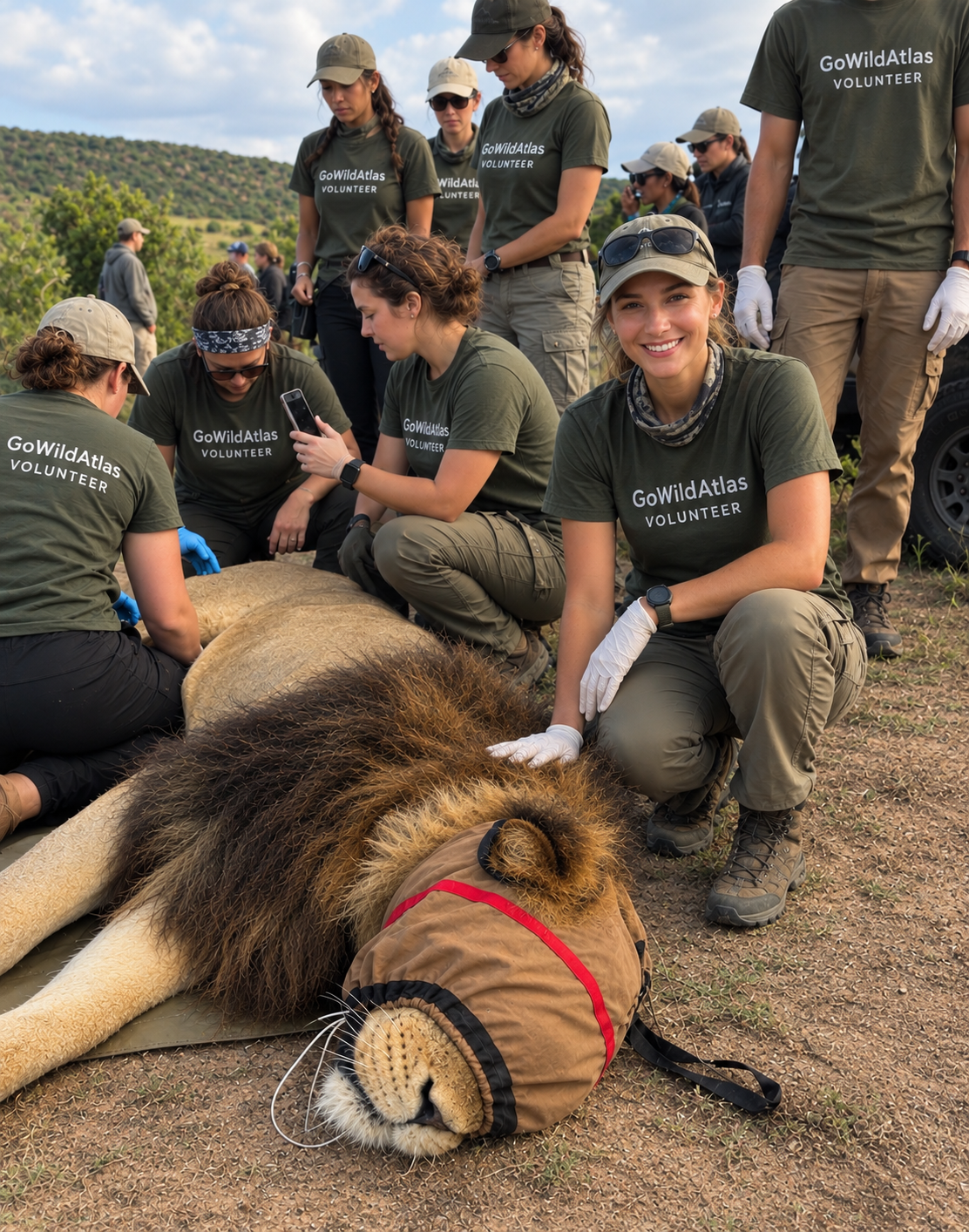
In the Maasai Mara, conservation is personal. Lions move through landscapes shared with livestock. Communities live alongside predators. And protecting wildlife means finding ways for both people and animals to thrive.
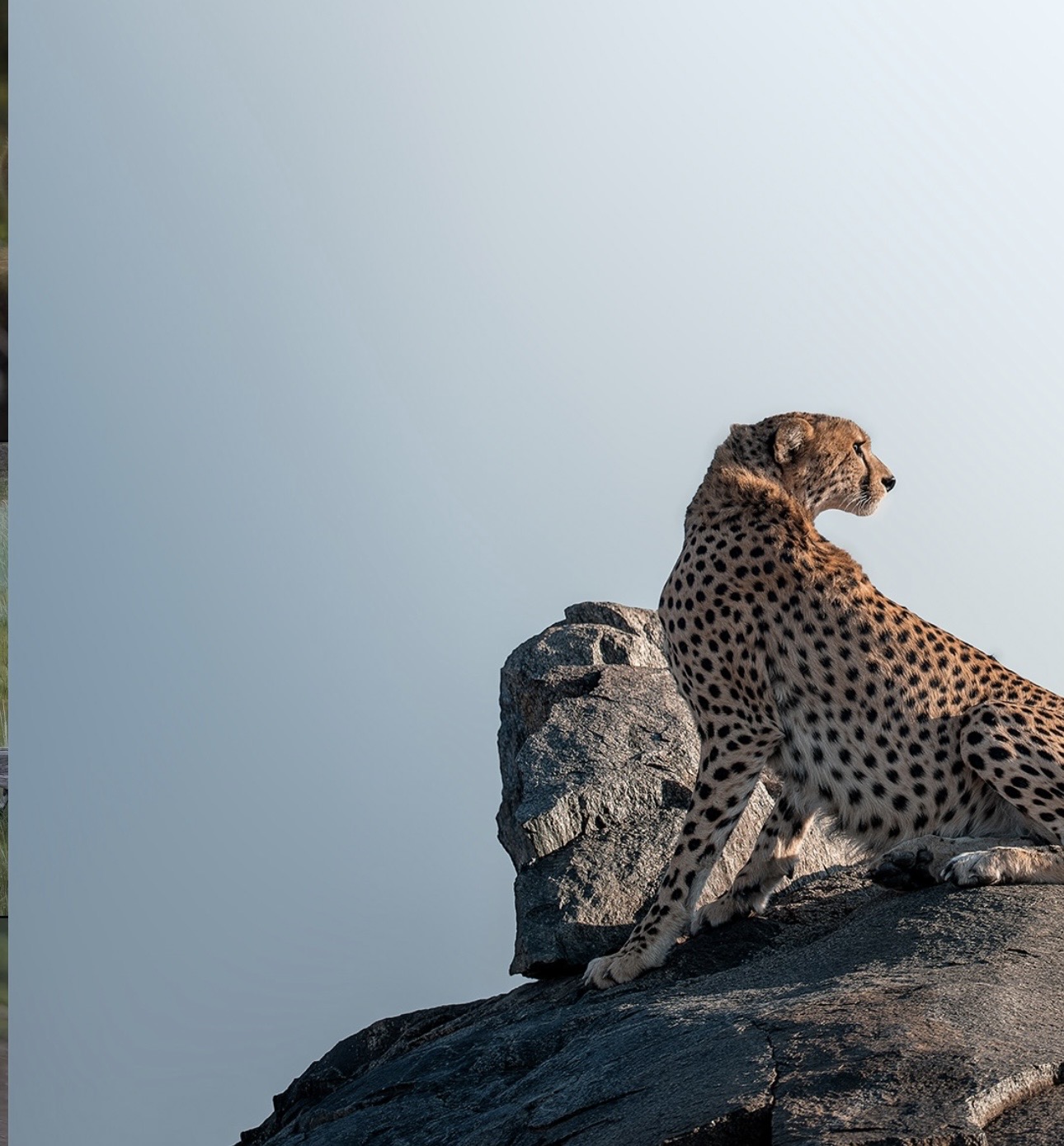
Big-cat monitoring can form part of that work: learning how teams identify individual lions and other large predators, record behaviour, follow movement patterns and understand the relationship between prey, habitat and human activity. The emphasis is on careful observation, field data and supervised conservation practice rather than guaranteed sightings or direct intervention.
You'll spend the first part of the programme inside that story — tracking wildlife, learning about human–wildlife coexistence and experiencing conservation alongside the communities who call the Mara home.
Then the landscape changes completely. From the savannah, you head to the Indian Ocean and into the world of marine conservation — from predators and livestock to turtles, reefs and coastal ecosystems.
This isn't a safari followed by a beach holiday. It's two sides of conservation, experienced in one extraordinary journey.
Programme fee: USD 3,200.
Covers accommodation, meals, transfers, field transport, reserve fees, permits, veterinary supervision,
equipment, and conservation support. A 50% deposit secures your place; the balance is due 30 days before
arrival.
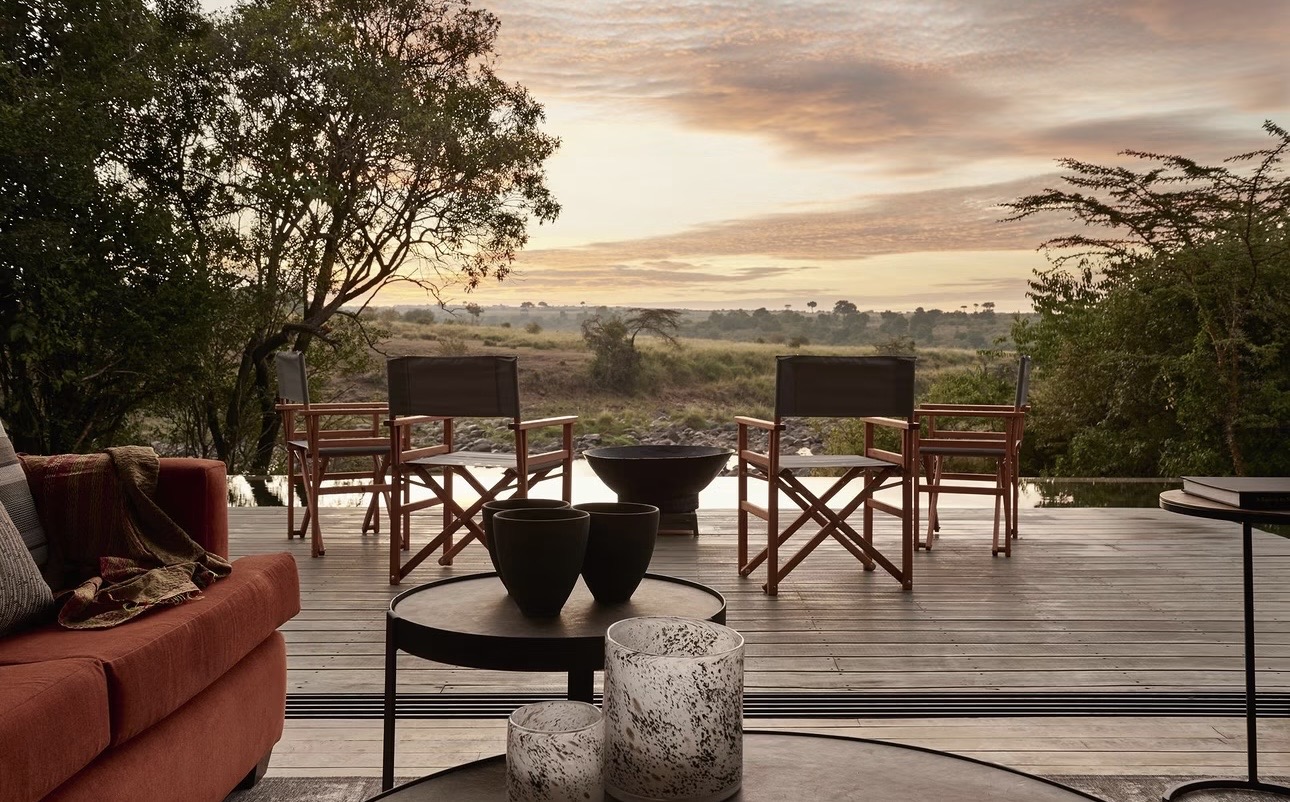
Your accommodation follows the journey — from the wide-open landscapes of the Maasai Mara to the tropical coast of Diani. These aren't resort stays built around sightseeing. They're comfortable bases from which the conservation work begins.
Days start early, often before the landscape has fully woken up. Evenings are a chance to slow down, share the day's field stories and prepare for whatever tomorrow brings.
Accommodation, meals and programme transport are included throughout the programme, with the exact arrangements selected around the operational needs of each field location.
Follow the conservation challenges of a landscape where predators, livestock and people share the same space. Explore big-cat monitoring, predator identification, wildlife movement, prey dynamics and ways communities protect livestock while protecting wildlife.
Step into the human side of conservation. Learn how Maasai communities live alongside wildlife, how community conservation works and why local livelihoods are central to protecting the Mara.
Then take the conservation story to the Indian Ocean. Explore marine ecosystems, turtle conservation, reef environments and coastal monitoring alongside marine conservation teams. Where partner projects allow, the work may also include mangrove restoration, shoreline surveys and learning how coastal communities protect the habitats they depend on.
Step into a landscape where lions, livestock and communities share the same land. Explore the realities of human–wildlife coexistence while working alongside conservation teams and learning from the communities who live alongside the wildlife.
Then leave the savannah behind and take the conservation story to the Indian Ocean. Work around coastal ecosystems and marine conservation initiatives, with field activities shaped by the ocean, tides, weather and conservation priorities.
A lion can move overnight. A herd can change direction. A community conservation priority can shift. A turtle survey can depend on the tide. Weather can change everything. The itinerary gives you the framework — the field decides what happens inside it.
Wildlife doesn't follow a timetable. Track movement, read signs and observe what is happening in the landscape around you.
Conservation isn't just about animals. Understand the relationship between predators, livestock, communities and the ecosystems they share.
Take part in supervised monitoring, observation, conservation activities and field data work where appropriate.
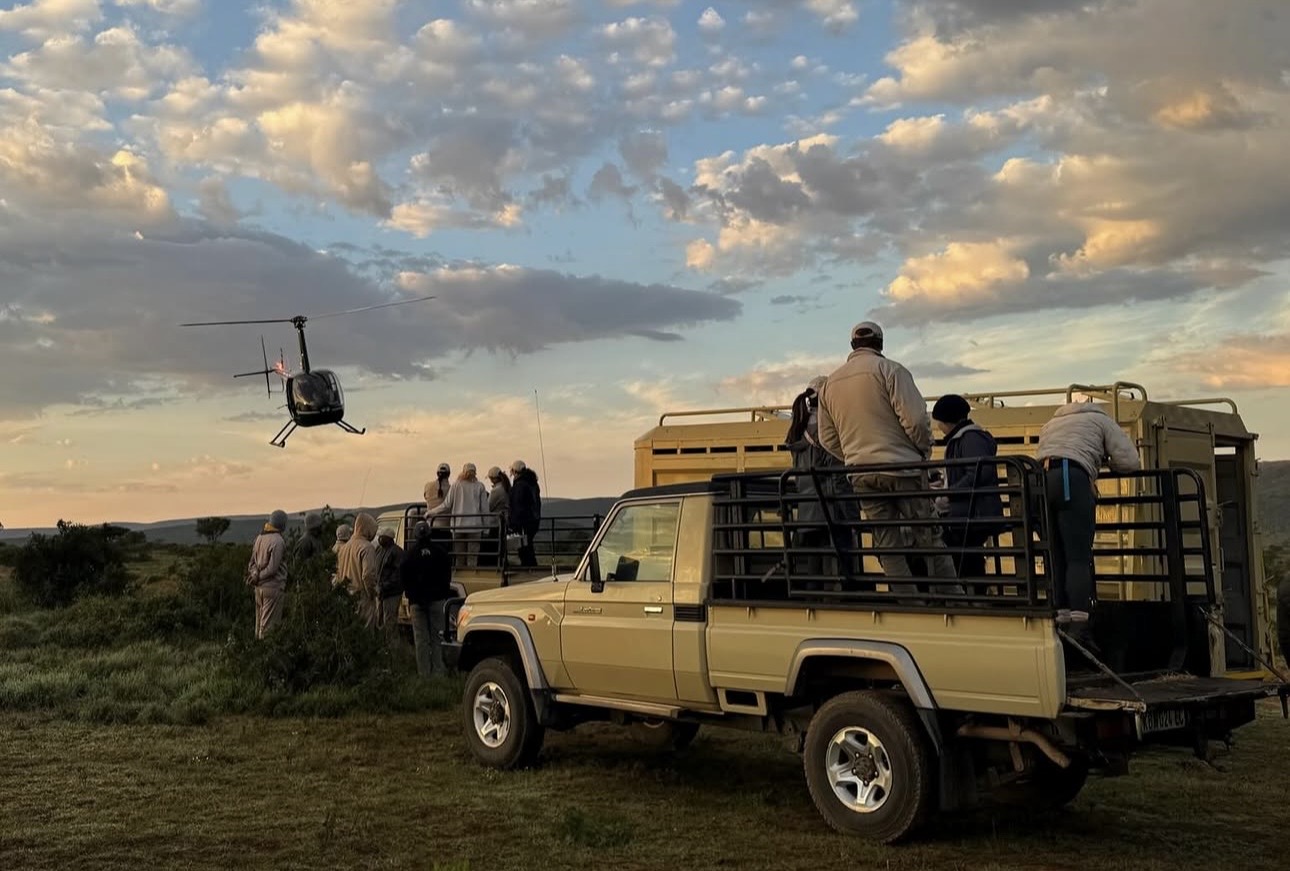
The field has its own rhythm. Early starts. Dust on your boots. Long stretches of watching, walking and waiting. A lion may move before sunrise; a tide may decide what happens next.
You do not need to be an elite athlete. You do need enough stamina for active days outdoors, comfort with changing conditions and the flexibility to let the landscape change the plan.
Bring curiosity, patience and good field manners. Listen to the team, respect community protocols, carry your share of the day and stay open to the work that happens between the dramatic moments. That is where the real story usually is.
Two very different sides of conservation, connected by one journey from the Maasai Mara to the Indian Ocean. Enough structure to prepare. Enough flexibility to follow the field.
Exact activities may change according to wildlife movements, community priorities, weather, tides, conservation operations and conditions on the ground.
Join us in the Maasai Mara and Diani for 14 days of wildlife, community and marine conservation. Spaces are limited for each programme.
Fourteen nights of programme accommodation, with breakfast, lunch, dinner and tea or coffee provided throughout your stay.
Arrival transfers, transfers between the Maasai Mara and Diani, and transport required for scheduled programme activities.
Guided field activities across wildlife, community and marine conservation, with programme coordination and field support.
Programme guidance and preparation support before you travel, including information to help you arrive field-ready.
Field guidance, conservation briefings and relevant programme materials throughout your experience.
International flights, visas, travel insurance, personal expenses, alcohol and optional excursions.
International flights, visas, travel insurance, personal expenses, alcohol and optional excursions are not included. Final payment and deposit terms are confirmed during the application process.
Your fee covers the essentials that make the journey possible — accommodation, meals, programme transport, field coordination, conservation activities and participation in initiatives supporting human-wildlife coexistence and marine conservation across both phases.
Accommodation in the Maasai Mara and Diani, arranged around the field schedule and operational needs of each phase.
Meals, tea and coffee during the programme to support early starts and full days in the field.
Transport required for the route and scheduled conservation activities, including the move from Mara to Diani.
Operational coordination and access arrangements required for supervised wildlife, community and marine conservation work.
Briefings, supervision and field guidance from the teams and partners supporting each phase.
Programme logistics, monitoring resources and coordination across two different ecosystems.
Programme guidance and preparation support before arrival, including information to help you come field-ready.
Your participation supports the field teams, community initiatives and conservation work connected to the programme.
A 50% deposit secures your place, with the remaining balance due 30 days before arrival. Programme fees may vary slightly depending on location and field focus.
“I wanted to travel alone, but I also wanted the trip to mean something. Kenya gave me two completely different conservation perspectives — from understanding coexistence in the Mara to seeing how marine teams work on the coast. I came back with a much clearer idea of what responsible fieldwork really looks like.”
Programme cost is USD 3,200. Groups cap at 8, and a 50% deposit confirms your place once accepted.