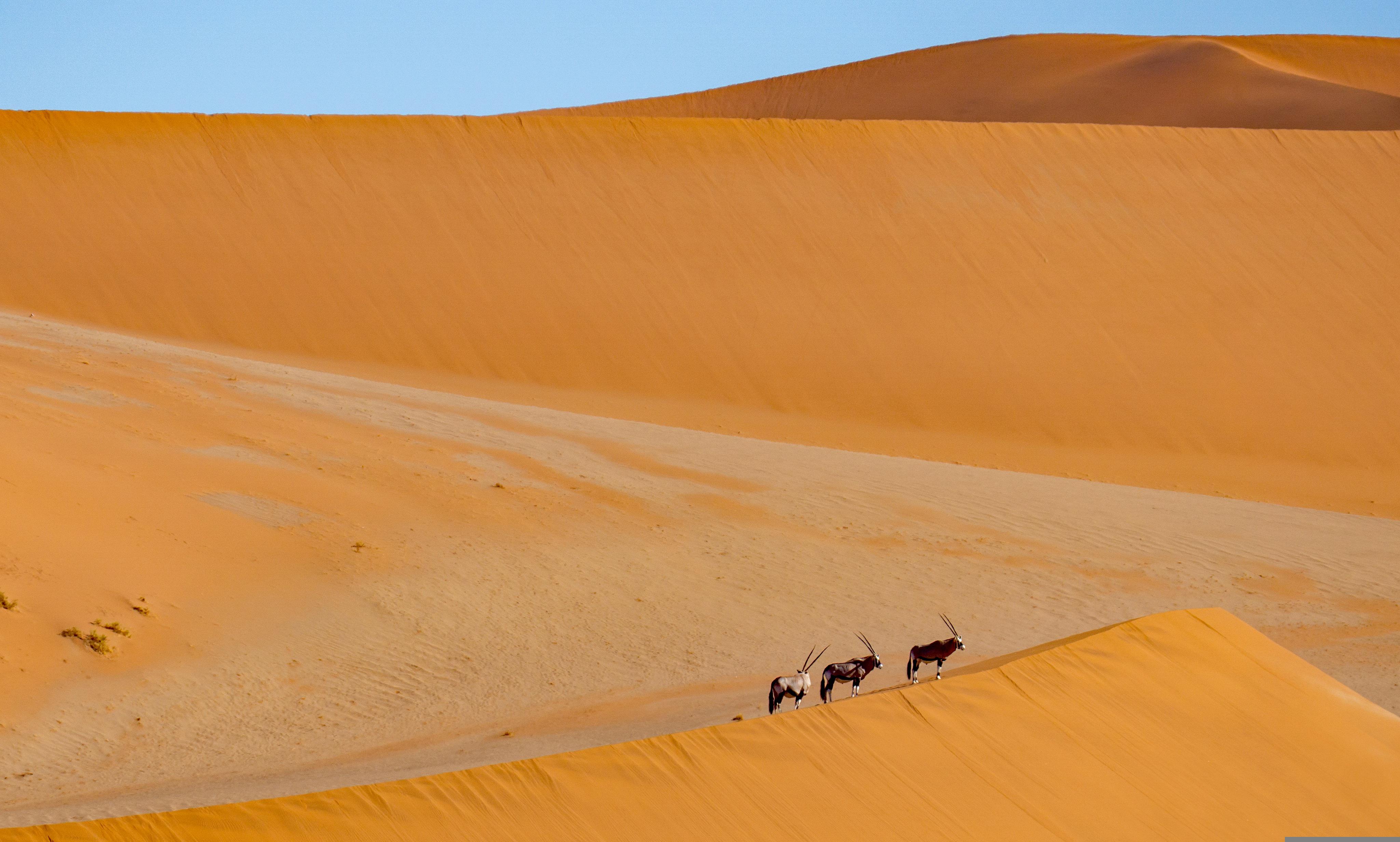
Namibian desert landscape with wildlife habitat

Desert Medicine.
Where Survival is Science.

Step into one of the harshest and most fascinating wildlife environments on Earth. In Namibia’s vast desert conservancies, you will work alongside wildlife veterinarians, rangers, and community conservation teams managing species adapted to extreme conditions — where every intervention matters.

14 Days
6-8 Group Size
40 CPD Hours
1 Programme

Where Field Medicine
Meets the Desert.

Namibia is raw, vast, and uncompromising. Here, wildlife medicine is not defined by abundance — but by distance, resilience, and survival in one of the most extreme conservation landscapes on Earth.

From desert-adapted elephants and free-roaming black rhino to cheetah, oryx, and giraffe moving across open conservancies, every intervention is shaped by heat, terrain, water scarcity, and the delicate balance between wildlife and surrounding communities.

This programme is designed for anyone with a serious interest in wildlife and conservation — veterinary and zoology students, vet nurses and technicians, gap-year travellers, and individuals seeking structured, real-world exposure to field-based conservation work.

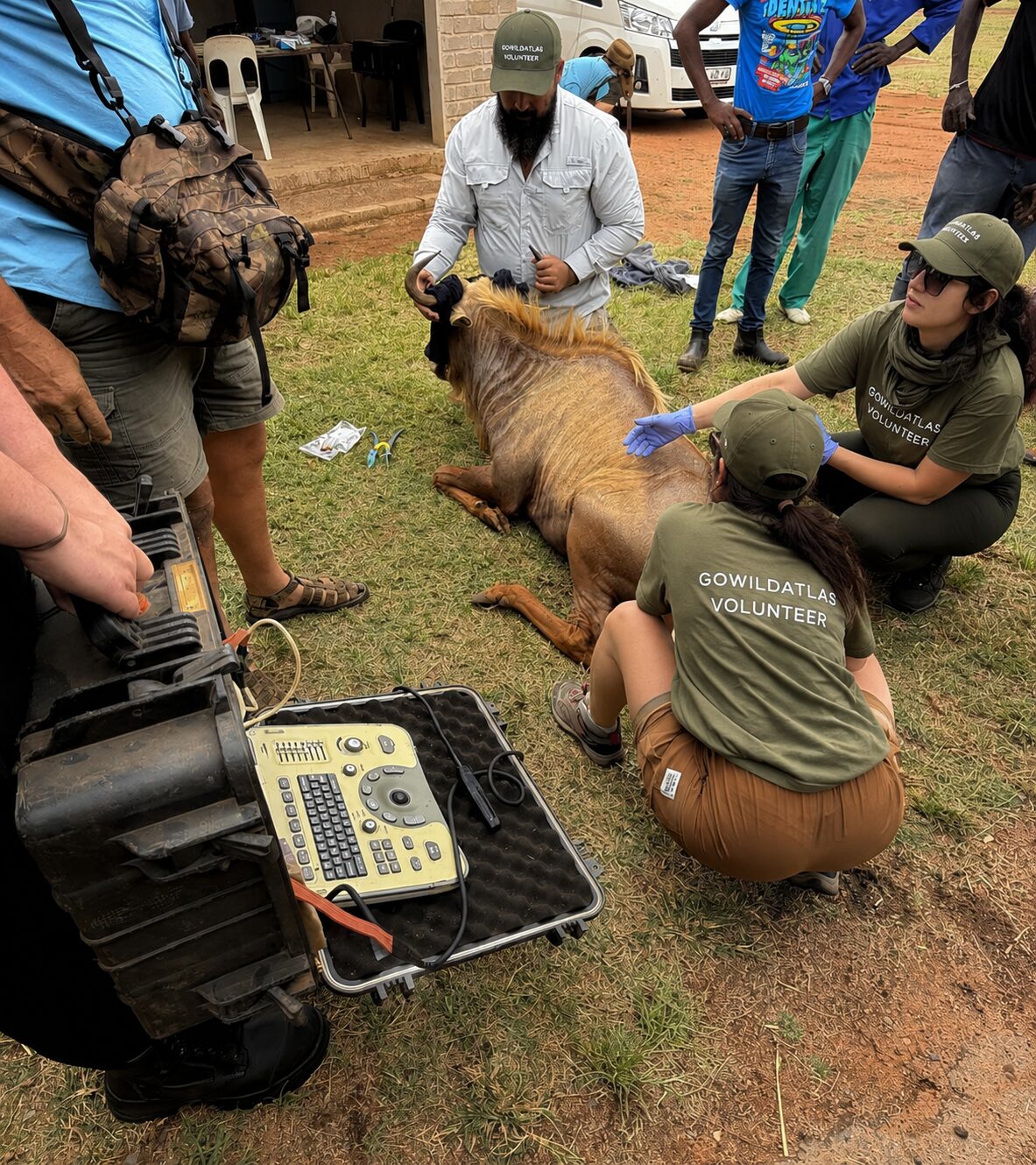
You will work alongside wildlife veterinarians, rangers, and conservation partners in active field operations — supporting monitoring programmes, assisting with immobilisations, participating in translocations, contributing to disease surveillance, and understanding the logistics required to operate in remote desert ecosystems.

Nothing here is controlled or predictable. Conditions change with heat, wind, and movement across vast distances. It is conservation at its most demanding — and most honest.

Programme Fee: From $3,400
A 50% deposit secures your place. The remaining balance is payable 30 days before arrival.

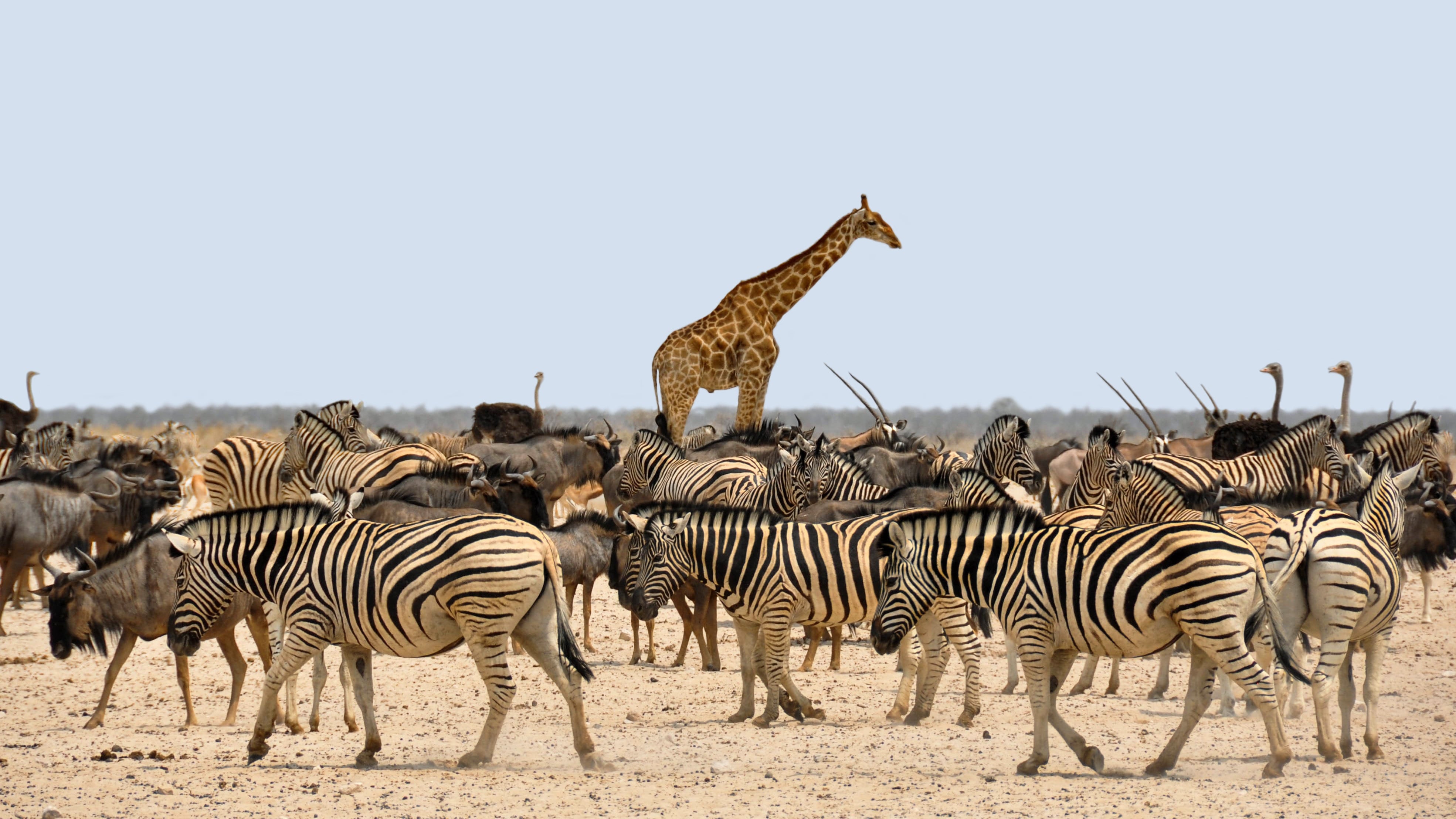
Wildlife in Namibia's arid conservation landscape

Species & Clinical Focus

🐘

Desert Elephant

Health monitoring, movement data, conflict injury assessment, and conservation response work.

🦏

Black Rhino

Population monitoring, anti-poaching health checks, dehorning support, and field data collection.

🐆

Cheetah

Trap monitoring, health assessments, collar checks, and human-wildlife conflict support.

🦁

Desert Lion

Telemetry, spoor tracking, collar monitoring, and community conflict mitigation support.

🦌

Oryx & Springbok

Capture support, translocation planning, population checks, and routine field assessment.

🦎

Desert Reptiles & Birds

Exposure to smaller desert fauna, opportunistic rescue cases, and biodiversity monitoring.

One Programme.
Wide-Open Terrain.

Namibia Desert Conservancy

From $2,400

Based across desert and semi-arid conservancy landscapes. The focus is practical wildlife veterinary exposure in a setting where conservation depends on local communities, field logistics, and long-term monitoring.

  • • Desert elephant, black rhino, cheetah, lion, oryx
  • • Community conservancy conservation model
  • • 4x4 field work across remote terrain
  • • Monitoring, sampling, immobilisation support, and recovery checks
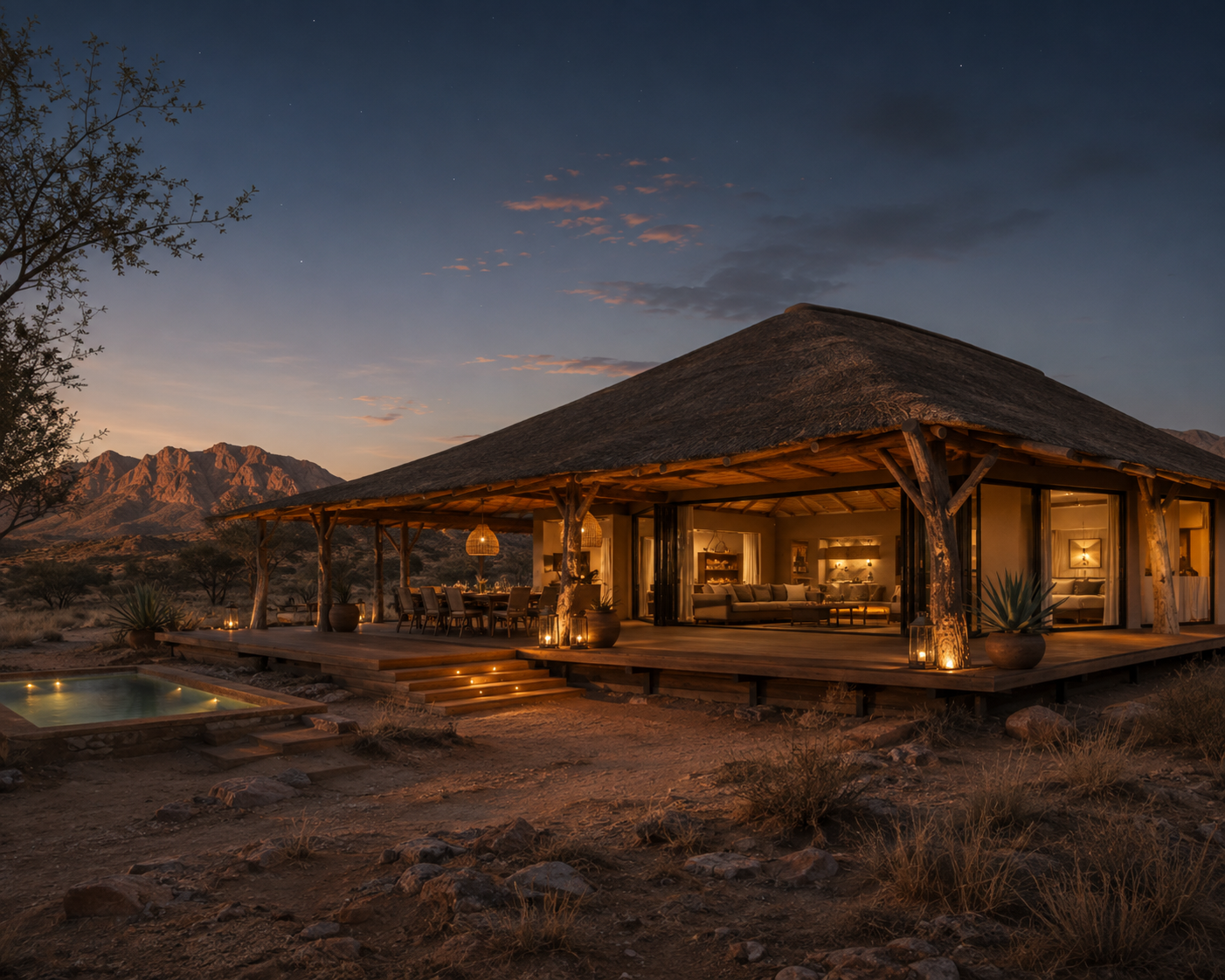
  • • Desert camp or field lodge accommodation
  • • Groups of 6-8 maximum

What to Expect Day to Day

Namibian wildlife work is shaped by distance, weather, animal movement, and conservancy priorities. The schedule is structured, but field conditions decide the final rhythm.

Early Starts

Cooler Hours Matter

Many field days begin before sunrise to work safely in desert temperatures and make the most of animal movement patterns.

Distance

Long Field Drives

Expect time in 4x4 vehicles across gravel roads, dry riverbeds, and remote conservancy tracks between field sites.

Clinical Exposure

Supervised Participation

You may assist with preparation, monitoring, sample handling, data recording, equipment checks, and recovery observation under supervision.

Mixed Days

Medicine, Tracking & Monitoring

A day can include spoor tracking, telemetry, camera trap checks, immobilisation support, conflict-response work, or conservancy patrols.

Real Cases

No Guaranteed Species List

The work follows real conservation needs. Some days are clinical; others focus on monitoring, logistics, data, and prevention.

Learning

Briefing & Debriefing

Field activities are supported by safety briefings, case context, practical explanation, and debriefs with the team.

Fitness & Participation
Requirements.

This programme does not require athletic training, but participants should be comfortable in active, remote field conditions. You may walk on uneven terrain, work in heat, stand for extended periods, and spend long stretches in field vehicles.

You should be able to climb in and out of high 4x4 vehicles, carry a small day pack, follow safety instructions quickly, and work calmly around wildlife, veterinary equipment, and conservancy operations.

Participation is adjusted to your training level and the field situation. Safety, animal welfare, and the supervising veterinarian's judgement always come first.

Namibia desert field landscape

Sample 14-Day Itinerary

This is a realistic outline, not a fixed timetable. Final activities depend on conservancy needs, animal welfare, weather, and field conditions.

Days 1-2

Arrival & Orientation

Airport transfer, conservancy induction, field safety briefing, desert protocols, and introduction to the veterinary and ranger teams.

Days 3-5

Elephant & Conflict Monitoring

Desert elephant movement checks, human-wildlife conflict site visits, health observation, and data recording.

Days 6-8

Predator Focus

Cheetah or lion tracking, telemetry, camera trap review, collar checks, and collaboration with community rangers.

Days 9-11

Rhino & Disease Surveillance

Black rhino monitoring, anti-poaching health checks, sample support, and conservation health records where available.

Days 12-13

Capture & Field Skills

Oryx or antelope capture support, recovery monitoring, darting theory, field equipment checks, and conservancy management work.

Day 14

Debrief & Departure

CPD log completion, certificate presentation, final debrief, and return airport transfer.

Upcoming Dates

Rolling 14-day cohorts run from June through October. Confirm your place before 1 October 2026 to receive a 20% early-booking discount.

June 1 - 14 June 2026 Available Apply
June 15 - 28 June 2026 Available Apply
June / July 29 June - 12 July 2026 Available Apply
July 13 - 26 July 2026 Available Apply
July / August 27 July - 9 August 2026 Available Apply
August 10 - 23 August 2026 Available Apply
August / September 24 August - 6 September 2026 Available Apply
September 7 - 20 September 2026 Available Apply
September / October 21 September - 4 October 2026 Available Apply
October 5 - 18 October 2026 Available Apply

Everything You Need
in the Field.

Accommodation with WiFi

Desert camp or field lodge accommodation throughout your stay, depending on conservancy location.

Meals & 24/7 tea and coffee

All meals during the programme, plus a tea and coffee station at base camp where facilities allow.

Transfers & in-programme transport

Airport pick-up, return transfer, and transport for scheduled conservancy and field activities.

Conservancy and reserve fees

Required access fees, permits, and conservation-area costs used by the programme.

Pre-departure assistance

Planning support before arrival, including packing guidance, arrival information, and programme preparation.

CPD certificate & course pack

Verified CPD log, certificate on completion, and programme merchandise including cap, shirt, notebook, pen, and USB.

Excluded: international flights, visas, travel insurance, private excursions, optional extra activities, alcoholic beverages, and personal spending money.

Where Your Programme Fee Goes

Wildlife veterinary work in Namibia requires complex logistics, specialist teams, permits, vehicles, fuel, and conservation partnerships. Programme fees allow field projects to operate safely, ethically, and sustainably while supporting real wildlife care and conservancy operations.

Stay

Accommodation Throughout Your Stay

Accommodation is arranged on or near conservancy land so you can stay close to the field work.

Meals

Daily Meals

Full board catering throughout the programme to support long field days and early starts.

Transport

Field & Airport Transport

Programme transport including airport transfers, conservancy travel, and daily field operations.

Access

Conservancy Access & Permits

Reserve access, conservation permissions, and legal requirements for legitimate wildlife field work.

Mentorship

Veterinary Supervision

Time with experienced wildlife veterinarians, rangers, and conservation teams who supervise your learning.

Logistics

Equipment & Field Operations

Veterinary consumables, monitoring tools, darting equipment, vehicles, fuel, field communications, and operational coordination.

Safety

On-site Support & Safety

Inductions, daily coordination, heat and field safety management, and support throughout the programme.

Impact

Long-Term Conservation Support

Your contribution helps support wildlife treatment, monitoring, community conservation, and conservancy operations.

A 50% deposit secures your place, with the remaining balance due 30 days before arrival. Programme fees may vary slightly depending on location and field focus.

"Namibia felt completely different from any reserve work I had done before. The medicine, the distances, the conservancy model, and the reliance on monitoring data made every field day feel purposeful and real."

Namibia 2026
Places Are Limited.

Programmes start from $2,400. Groups cap at 8, and a 50% deposit confirms your place once accepted.

Apply Now Download Programme Pack