Not a vet? Not a problem. Whether you're a veterinarian, vet student, nurse, or a wildlife-obsessed adventurer, this is your gateway to the real world of conservation. Step onto active Big Five reserves, work shoulder-to-shoulder with elite wildlife veterinarians, and gain hands-on experience most people only see on documentaries. This isn’t tourism. This is impact. This is purpose. This is the experience that changes everything.
South Africa is where GoWildAtlas began — in the dust, the sunrise, and the heartbeat of the African bush. This is not a classroom, and it is not tourism. It is real conservation work, in real time, inside active wildlife reserves.
This programme is open to anyone with a genuine passion for wildlife and conservation — whether you are a veterinary or zoology student, a vet nurse, a gap-year traveller, or someone simply ready to step into something far bigger than themselves.
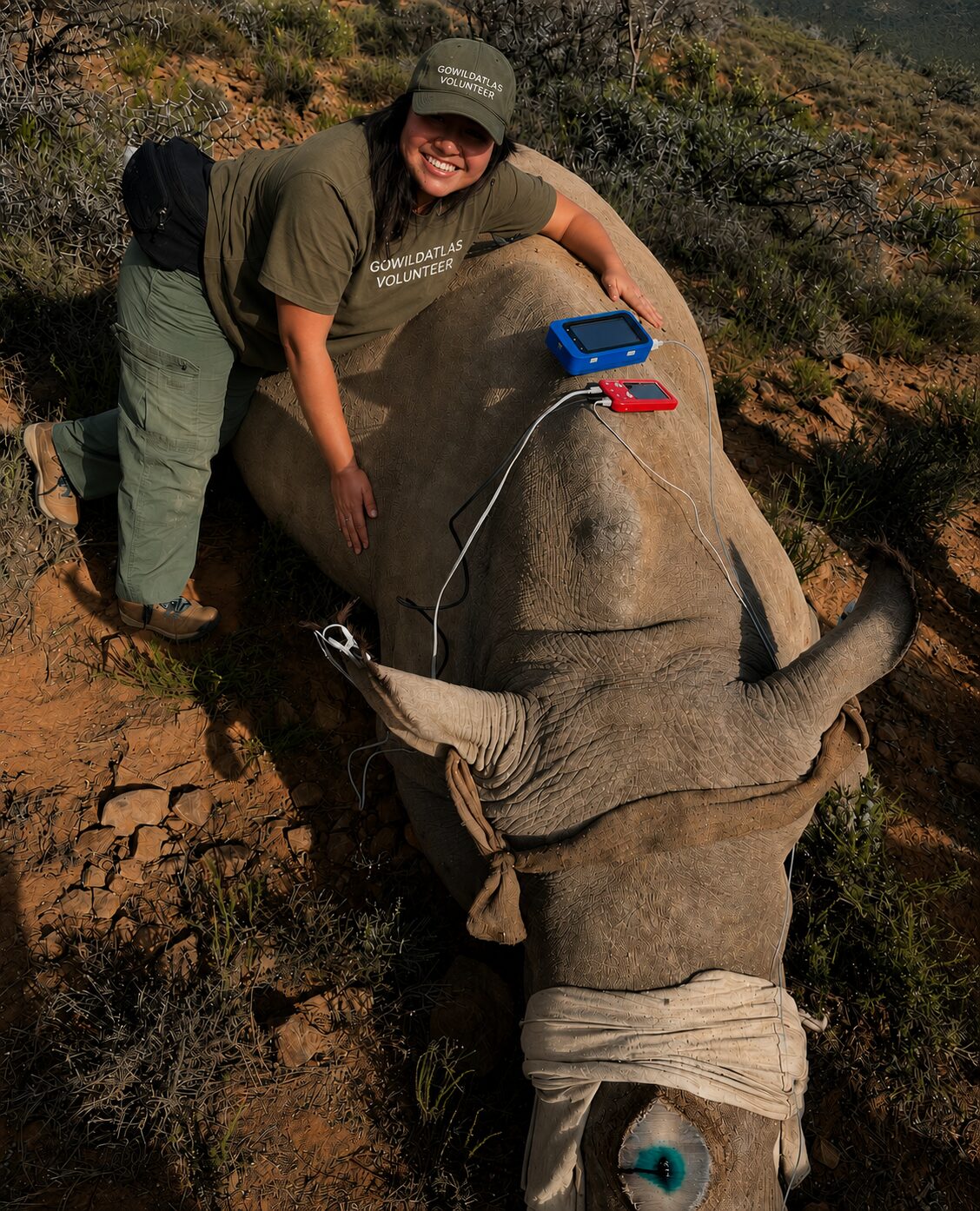
You will work alongside experienced wildlife veterinarians and reserve teams on live field operations — assisting with immobilisations, health assessments, translocations, ecological monitoring, and the practical field logistics that keep conservation systems running.
No prior wildlife experience is required. What matters is mindset — curiosity, adaptability, and the willingness to be part of something unpredictable, demanding, and deeply rewarding.
We operate across two distinct environments: a private Big Five reserve and a conservation-driven community landscape. Together, they offer a rare combination of intensive clinical exposure and broad ecological understanding.
Programme Fee: From $3,100
A 50% deposit secures your place. The remaining balance is payable 30 days before arrival.
Immobilisation support, health screening, collar checks, and pride monitoring.
Translocation support, wound treatment, population health assessment, and monitoring.
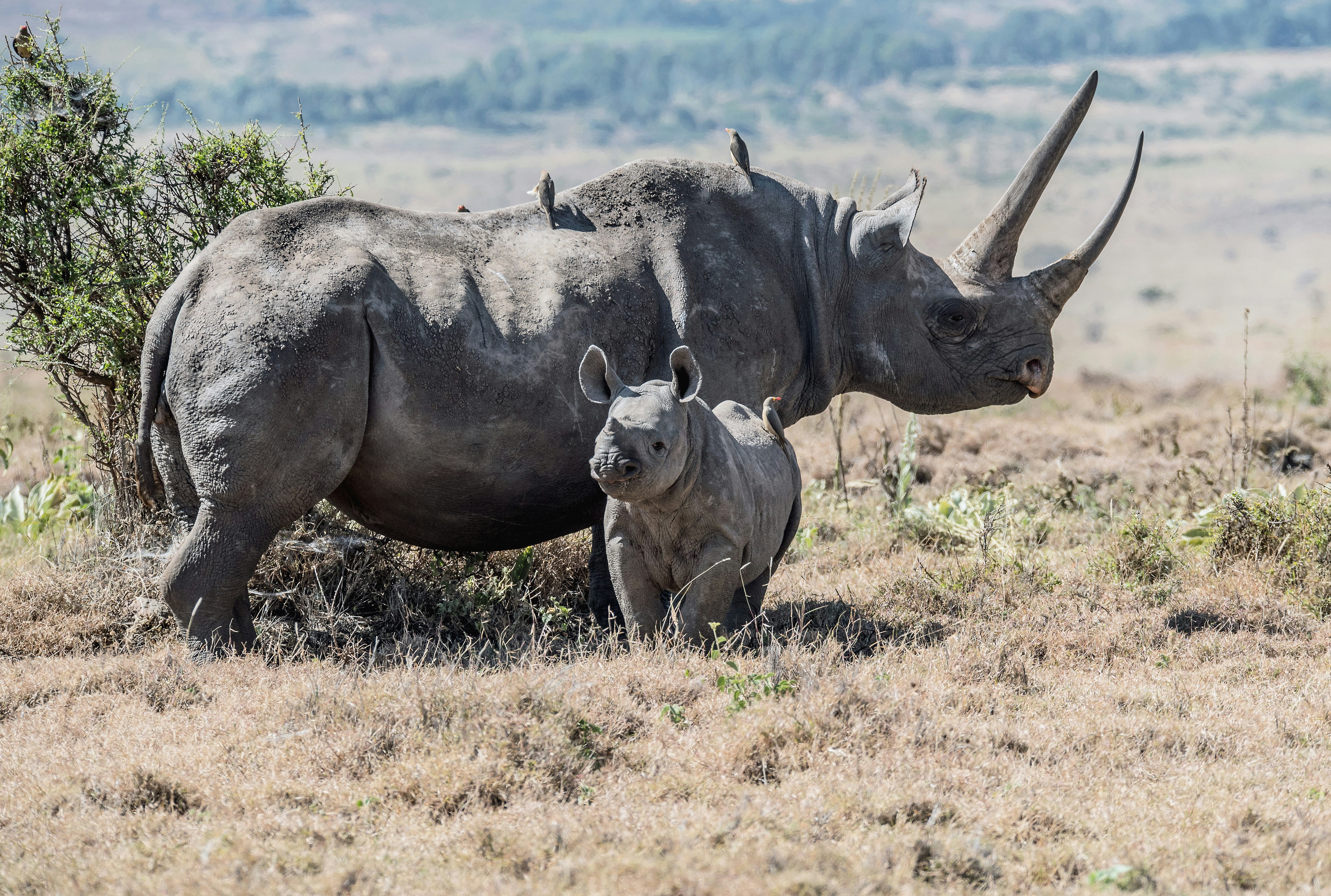
Dehorning procedures, anti-poaching health checks, sampling, and darting assistance.
Trap monitoring, collaring support, camera trap data, and predator movement work.
Disease surveillance, blood sampling, bovine tuberculosis screening, and herd checks.
Capture, translocation, recovery monitoring, and routine assessment across species.
Based on a private game reserve in Limpopo. Full Big Five access with a focus on large mammal immobilisation, reserve health work, and supervised clinical participation.
Based on conservation land in KwaZulu-Natal. A broader ecological focus including predator management, community wildlife health, and reserve conservation operations.
Wildlife veterinary work is planned carefully, but the animals, weather, reserve priorities, and conservation needs dictate the final schedule.
Clinical days may start before sunrise, especially when working with large mammals, capture teams, or helicopter-supported operations.
You may assist with preparation, monitoring, sample handling, data recording, recovery observation, and equipment set-up under professional supervision.
A single day can include immobilisation support, spoor tracking, camera trap checks, blood sampling, telemetry, or reserve health monitoring.
The programme follows real reserve needs. That makes the work more authentic, but it also means each group has a different clinical mix.
Field procedures are supported by safety briefings, case context, practical explanation, and debriefs that connect the work to wildlife medicine and conservation.
Some days are less dramatic and more operational: checking animals, moving equipment, preparing drugs, reviewing data, or supporting reserve staff.
This programme does not require athletic training, but participants should be ready for active field conditions. You may walk on uneven terrain, stand for extended periods, work in heat, and move between vehicles, bush tracks, holding areas, and field sites.
You should be comfortable climbing in and out of high field vehicles, carrying a small day pack, following safety instructions quickly, and working calmly around large wildlife, veterinary drugs, and reserve equipment.
Participation is adjusted to your training level and the field situation. Safety, animal welfare, and the supervising veterinarian's judgement always come first.
This is a realistic outline, not a fixed timetable. Final activities depend on reserve needs, animal welfare, and field conditions.
Airport transfer, reserve induction, safety briefing, field protocols, and introduction to the veterinary and reserve teams.
Potential elephant, rhino, buffalo, or antelope work depending on reserve priorities, with monitoring and sample support.
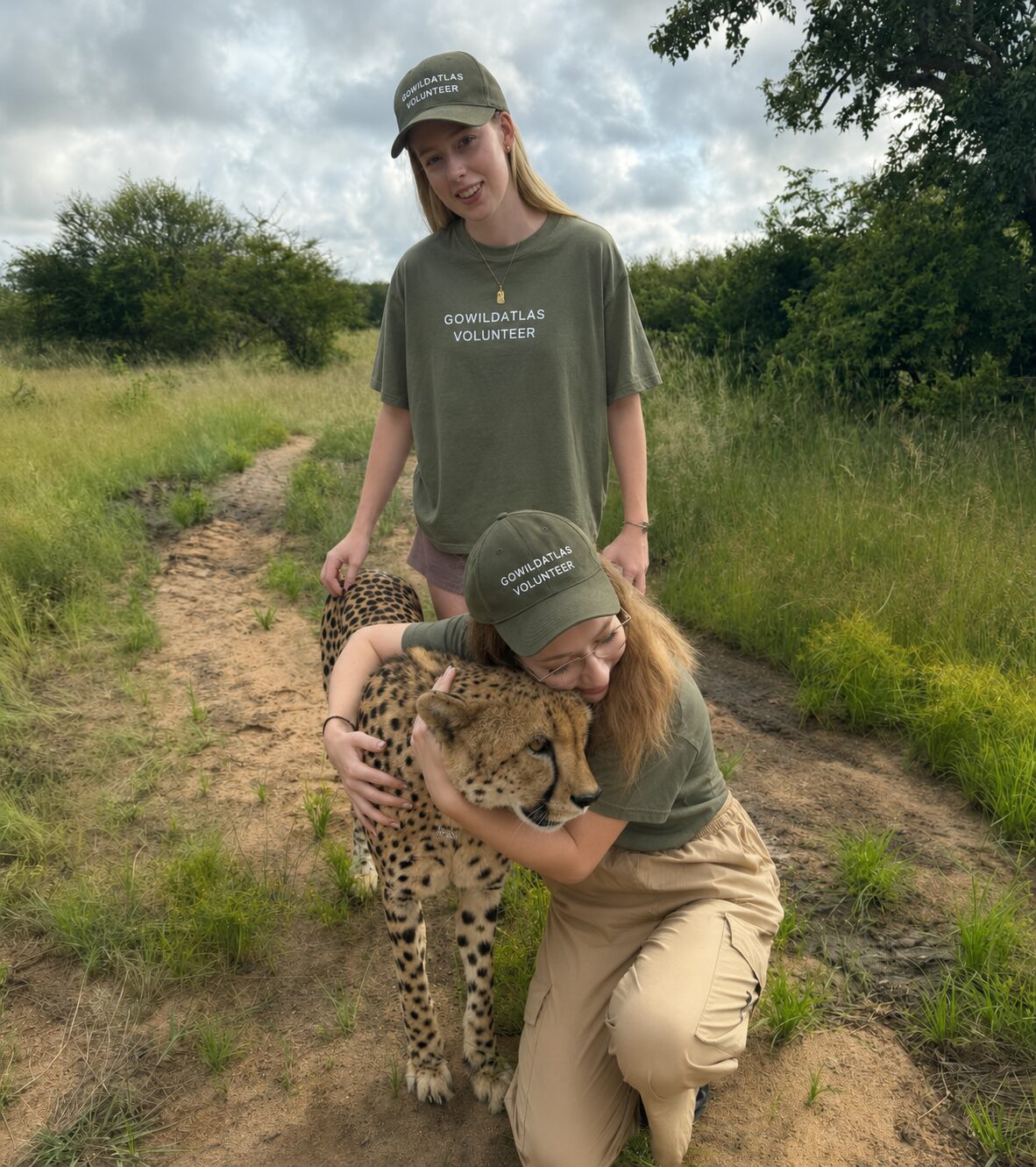
Lion collar checks, leopard or cheetah monitoring, camera trap review, telemetry, and predator movement data.
Buffalo TB screening, blood sampling, parasite checks, post-mortem observation if available, and conservation health records.
Capture planning, recovery monitoring, darting theory, field suturing practice, equipment checks, and reserve management work.
CPD log completion, certificate presentation, final debrief, and return airport transfer.
Rolling 14-day cohorts run from June through October. Confirm your place before 1 October 2026 to receive a 20% early-booking discount.
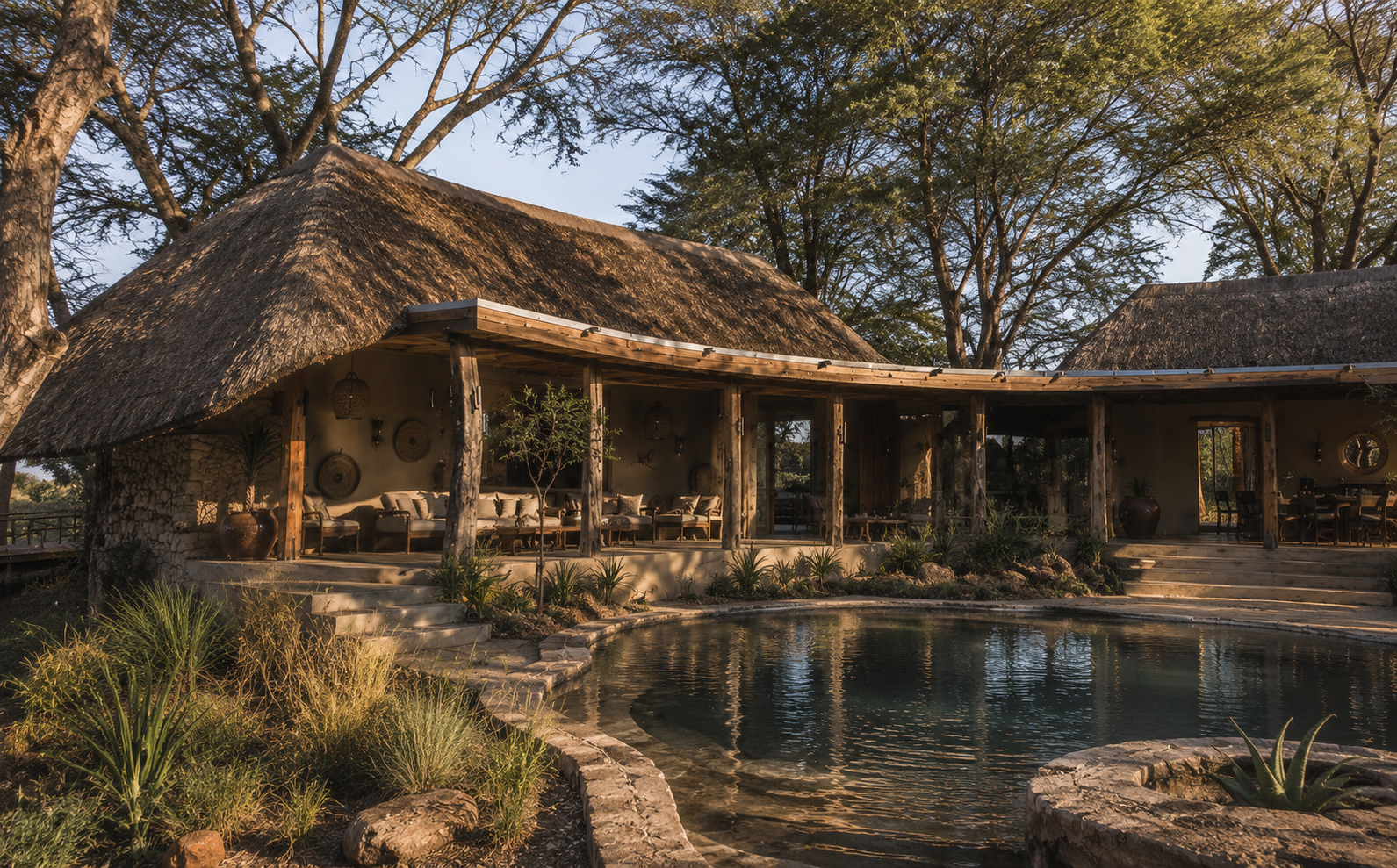
Bush camp, tented camp, or lodge accommodation throughout your stay, depending on programme location.
All meals during the programme, plus a tea and coffee station at base camp.
Airport pick-up, return transfer, and transport for scheduled reserve and field activities.
All required entry fees into national parks, private reserves, and conservation areas used by the programme.
Planning support before arrival, including packing guidance, arrival information, and programme preparation.
Verified CPD log, certificate on completion, and programme merchandise including cap, shirt, notebook, pen, and USB.
Excluded: international flights, visas, travel insurance, private excursions, optional extra activities, alcoholic beverages, and personal spending money.
Wildlife veterinary work requires complex logistics, specialist teams, permits, vehicles, fuel, and conservation partnerships. Programme fees allow these field projects to operate safely, ethically, and sustainably while supporting real wildlife care and reserve operations.
All accommodation is arranged on or near reserve so you can live where the work happens and remain close to daily field activities.
Full board catering throughout the programme to keep you fuelled for long days in the field and early starts.
All transport related to programme activities including airport transfers, reserve travel, and daily conservation operations.
Park fees, conservation permits, and legal access required to participate in genuine wildlife veterinary work.
Hands-on time with experienced wildlife veterinarians, field guides, and conservation teams who mentor and supervise your learning.
Use of veterinary consumables, monitoring tools, darting equipment, vehicles, fuel, and operational coordination.
Inductions, safety management, daily coordination, and on-ground support throughout your time on reserve.
Your contribution helps fund wildlife treatment, monitoring, and conservation initiatives that receive limited external funding.
A 50% deposit secures your place, with the remaining balance due 30 days before arrival. Programme fees may vary slightly depending on location and programme focus.
"I assisted in three rhino immobilisations and a full health screen on a lion pride in my first week. The access was serious, supervised, and clinically relevant - exactly what I needed before moving further into wildlife medicine."
Programmes start from $3,100. Groups cap at 8, and a 50% deposit confirms your place once accepted.