Tanzania wildlife migration landscape

From the Plains
to the Ocean.

Follow one of the world’s greatest wildlife systems — from the Serengeti migration and Ngorongoro Crater to Zanzibar’s coastal and marine ecosystems. This is field-based wildlife conservation where ecosystems shift beneath your feet, but the medicine stays real.

14 Days
6-8 Group Size
40 CPD Hours
2 Ecosystems

Terrestrial Medicine.
Then Coastal Conservation.

This is a rare dual-environment programme designed to immerse you in two of East Africa’s most powerful conservation systems — the vast terrestrial ecosystems of northern Tanzania and the fragile marine and coastal environments of Zanzibar.

From the sweeping plains of the Serengeti and the volcanic landscapes of Ngorongoro to the coral reefs and coastal wildlife of Zanzibar, every stage of this experience reveals a different side of conservation medicine in action.

It is open to anyone with a serious interest in wildlife and conservation — veterinary and zoology students, vet nurses and technicians, gap-year participants, and individuals seeking structured, real-world field exposure.

You will work alongside qualified field teams across both environments — supporting wildlife monitoring, assisting with immobilisations, contributing to health assessments, participating in disease surveillance, conducting marine wildlife surveys, and engaging in coastal conservation data collection.

Two ecosystems. One continuous learning experience. From bush to ocean, every day is different, and every intervention matters.

Programme Fee: From $3,500
A 50% deposit secures your place. The remaining balance is payable 30 days before arrival.

Tanzania wildlife field setting

Two Worlds. One Field Programme.

Tanzania Field Medicine

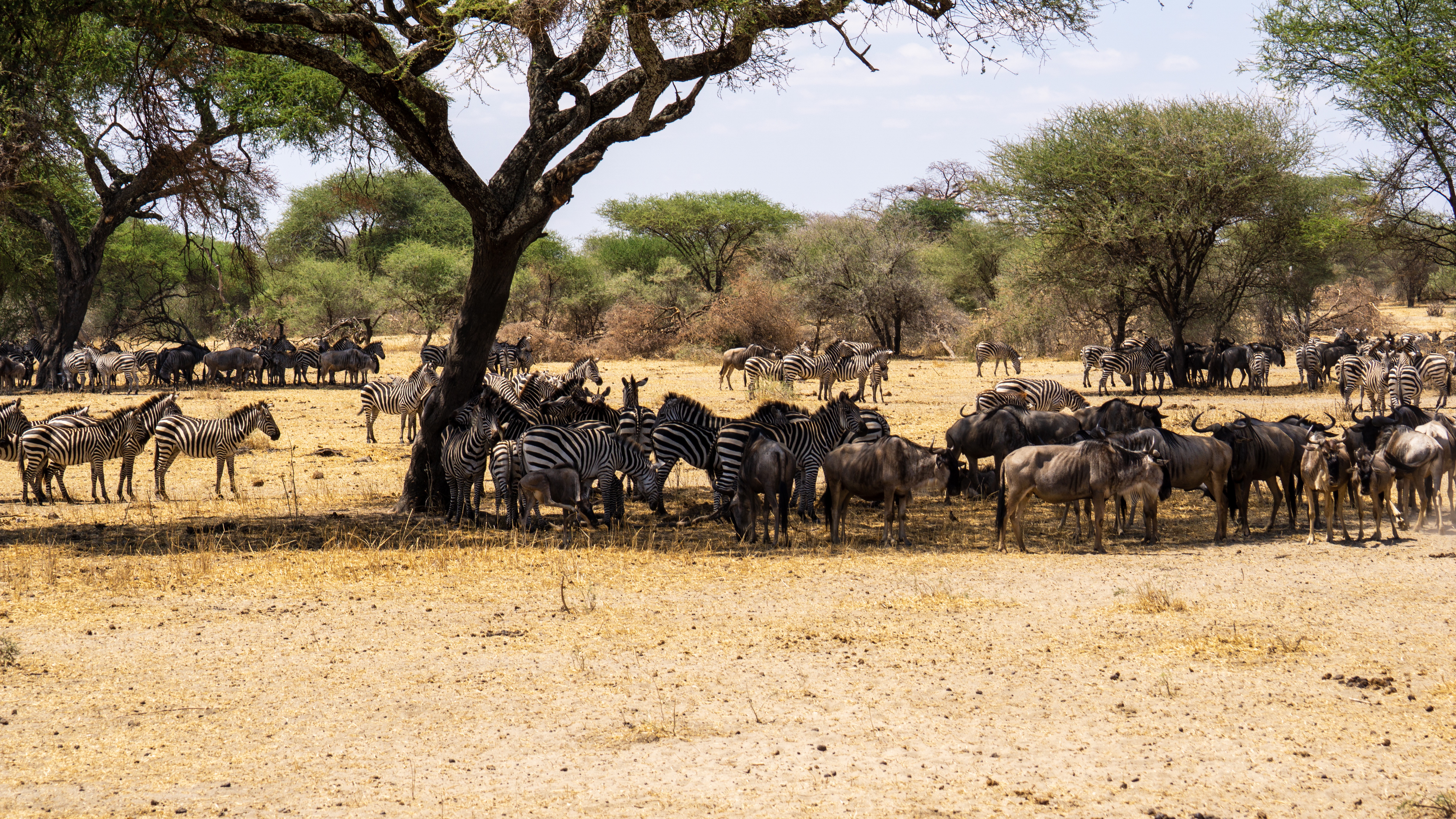
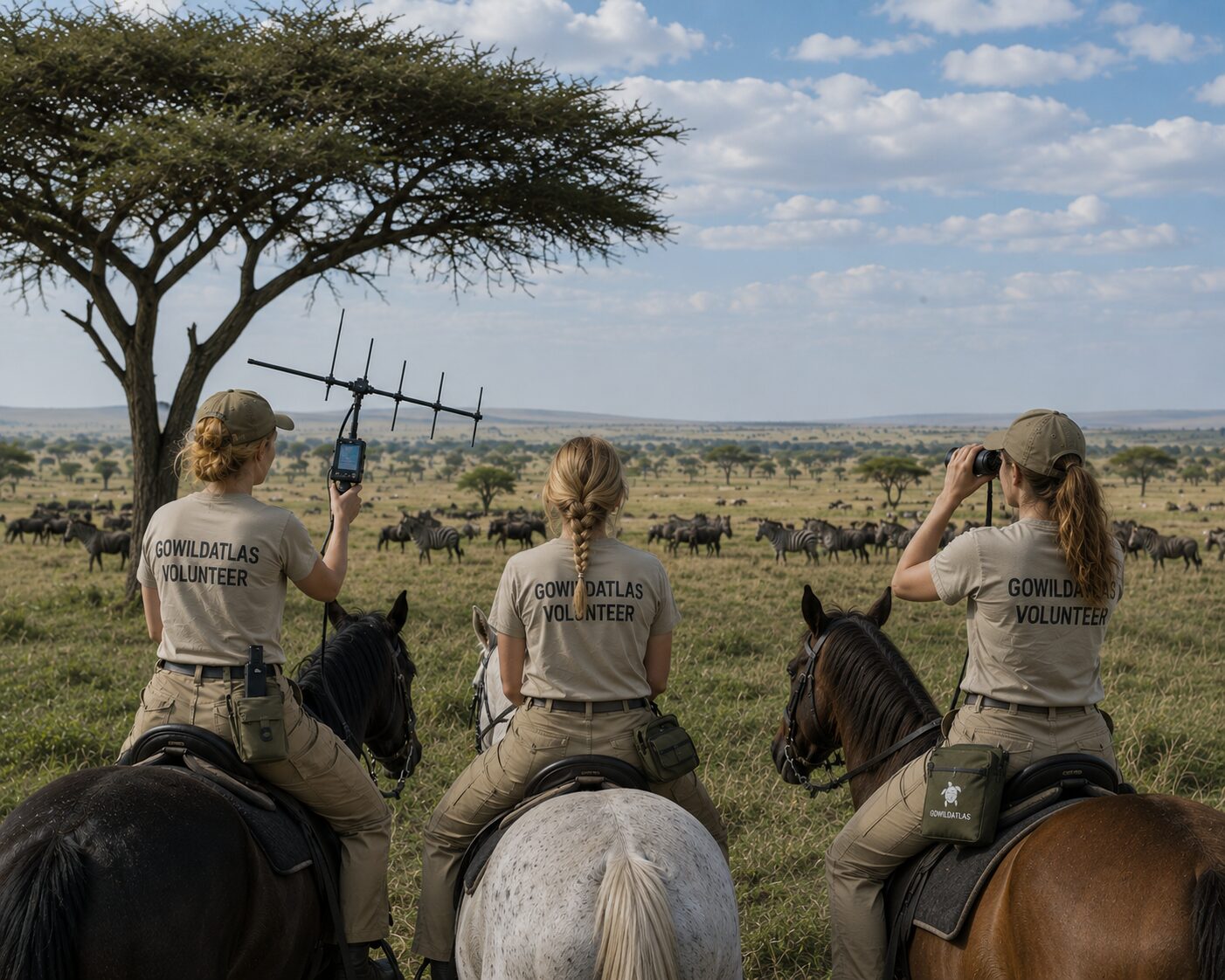
Work across Serengeti and Ngorongoro-linked conservation systems, with a focus on large mammal monitoring, predator ecology, disease surveillance, and supervised wildlife veterinary exposure.

  • • Lion, wildebeest, zebra, elephant, cheetah, and rhino context
  • • Large mammal monitoring and health assessment support
  • • Predator tracking, collar checks, and camera trap review
  • • Disease surveillance and conservation health records
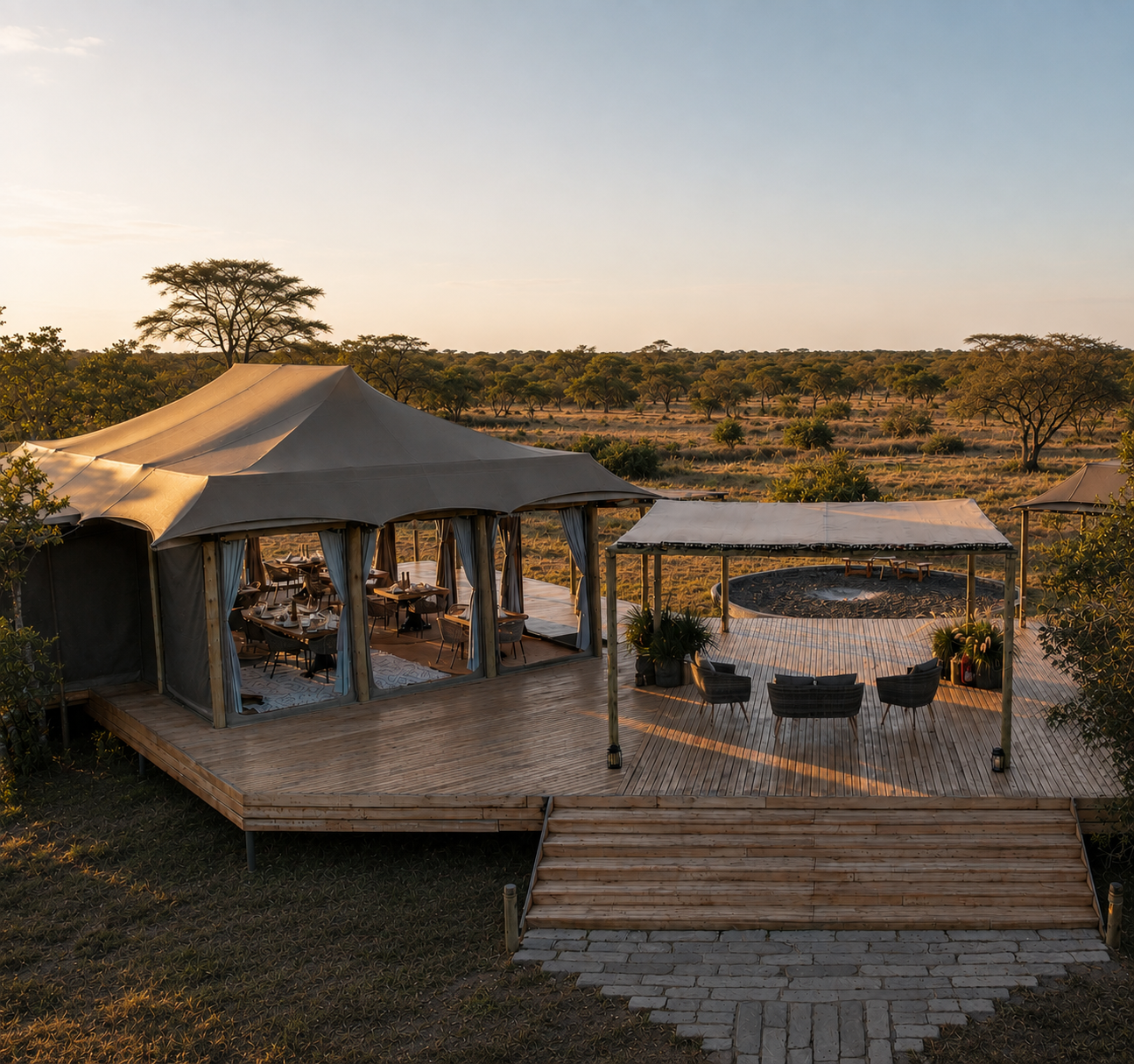
  • • Field camp or lodge accommodation
  • • Groups of 6-8 maximum

Zanzibar Marine & Forest Work

Move into Zanzibar's coastal and forest systems for marine wildlife monitoring, sea turtle work, dolphin surveys, reef health exposure, and red colobus conservation context.

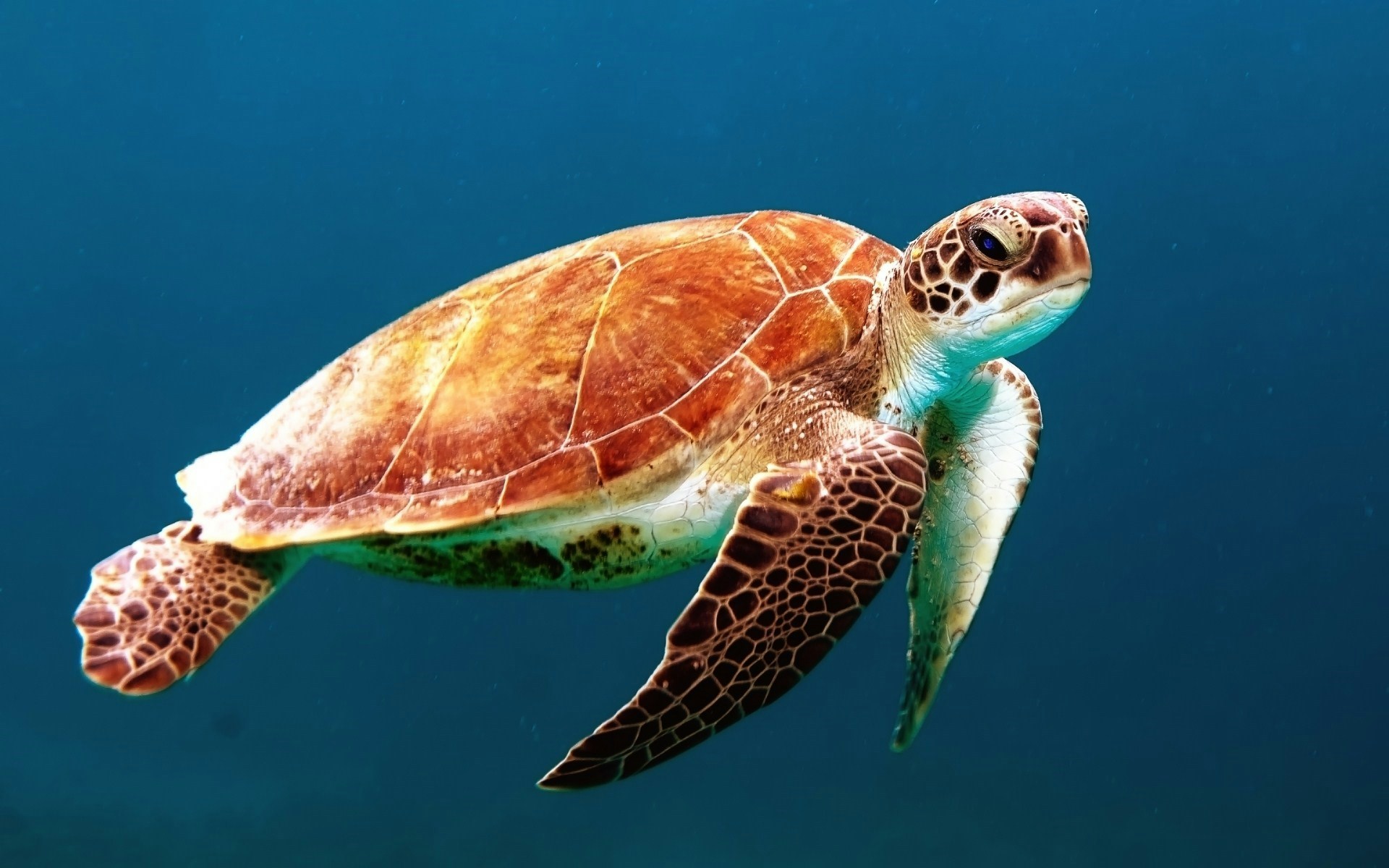
  • • Green and hawksbill sea turtle monitoring
  • • Dolphin population surveys and marine data collection
  • • Zanzibar red colobus forest conservation
  • • Reef and coastal ecosystem health exposure
  • • Coastal station or field lodge accommodation
  • • Internal transfer between programme phases

Species & Clinical Focus

🦁

Lion

Pride monitoring, predator movement data, collar checks, and conservation health records.

🦏

Black Rhino

Protected-population context, monitoring exposure, and conservation health support where available.

🦌

Wildebeest & Zebra

Migration ecology, herd health observation, disease surveillance, and population monitoring.

🐢

Sea Turtles

Nesting beach monitoring, health checks, tagging exposure, and coastal conservation data.

🐬

Dolphins

Boat-based surveys, population monitoring, behaviour recording, and marine ecosystem context.

🐒

Zanzibar Red Colobus

Forest monitoring, habitat pressure context, population health exposure, and conservation records.

What to Expect Day to Day

This programme moves between very different field environments. Wildlife, weather, sea conditions, reserve priorities, and animal welfare dictate the final schedule.

Early Starts

Field Work Begins Early

Large mammal work, turtle monitoring, and marine surveys may begin before sunrise to match animal activity and safe field conditions.

Mixed Terrain

Savannah, Crater, Coast & Forest

Expect 4x4 drives, walking on uneven ground, coastal field work, boat-based observation, and time in forest or beach environments.

Clinical Exposure

Supervised Participation

You may assist with preparation, monitoring, sample handling, data recording, equipment checks, and recovery observation under supervision.

Real Cases

No Guaranteed Species List

The work follows real conservation needs. Some days are clinical; others focus on surveys, prevention, monitoring, logistics, and data.

Transfers

Two-Phase Programme

The change from northern Tanzania to Zanzibar is part of the learning experience and requires practical travel, packing, and schedule flexibility.

Learning

Briefing & Debriefing

Field activities are supported by safety briefings, case context, practical explanation, and debriefs with the team.

Fitness & Participation
Requirements.

This programme does not require athletic training, but participants should be ready for active field conditions. You may walk on uneven terrain, work in heat, spend time in high field vehicles, and participate in early morning coastal or marine activities.

You should be comfortable following safety instructions quickly, carrying a small day pack, working calmly around wildlife and veterinary equipment, and adapting between terrestrial and marine field environments.

Participation is adjusted to your training level and the field situation. Safety, animal welfare, water safety, and the supervising veterinarian's judgement always come first.

Tanzania and Zanzibar field readiness setting

Sample 14-Day Itinerary

This is a realistic outline, not a fixed timetable. Final activities depend on field conditions, animal welfare, weather, and sea state.

Days 1-2

Arrival in Tanzania

Airport transfer, field induction, safety briefing, programme orientation, and introduction to the terrestrial field team.

Days 3-5

Serengeti Field Work

Migration health context, predator monitoring, camera trap review, telemetry, and conservation health data recording.

Days 6-7

Ngorongoro Conservation Context

Protected-population monitoring, large mammal observation, disease surveillance context, and field debriefs.

Days 8-9

Transfer to Zanzibar

Internal transfer, coastal orientation, marine safety briefing, project induction, and equipment preparation.

Days 10-12

Marine & Coastal Work

Turtle monitoring, dolphin surveys, reef and coastal data, beach patrol context, and marine conservation records.

Days 13-14

Forest, Debrief & Departure

Red colobus conservation context, CPD log completion, certificate presentation, final debrief, and departure transfer.

Upcoming Dates

Rolling 14-day cohorts run from June through October. Confirm your place before 1 October 2026 to receive a 20% early-booking discount.

June 1 - 14 June 2026 Available Apply
June 15 - 28 June 2026 Available Apply
June / July 29 June - 12 July 2026 Available Apply
July 13 - 26 July 2026 Available Apply
July / August 27 July - 9 August 2026 Available Apply
August 10 - 23 August 2026 Available Apply
August / September 24 August - 6 September 2026 Available Apply
September 7 - 20 September 2026 Available Apply
September / October 21 September - 4 October 2026 Available Apply
October 5 - 18 October 2026 Available Apply

Everything You Need
Across Both Phases.

Accommodation with WiFi

Field camp, lodge, or coastal accommodation throughout your stay, depending on programme phase.

Meals & 24/7 tea and coffee

All meals during the programme, plus a tea and coffee station where facilities allow.

Transfers & in-programme transport

Airport pick-up, return transfer, internal programme transfer, and scheduled field transport.

Reserve, park & marine fees

Required access fees, conservation permissions, and marine or park costs used by the programme.

Pre-departure assistance

Planning support before arrival, including packing guidance, arrival information, and programme preparation.

CPD certificate & course pack

Verified CPD log, certificate on completion, and programme merchandise including cap, shirt, notebook, pen, and USB.

Excluded: international flights, visas, travel insurance, private excursions, optional extra activities, alcoholic beverages, and personal spending money.

Where Your Programme Fee Goes

Running a two-phase wildlife veterinary programme requires permits, field teams, accommodation, transfers, vehicles, marine survey logistics, safety coordination, and conservation partnerships across both Tanzania and Zanzibar.

Stay

Accommodation Throughout Your Stay

Accommodation is arranged across both phases so you can stay close to field operations.

Meals

Daily Meals

Full board catering throughout the programme to support early starts and long field days.

Transport

Field & Internal Transport

Programme transport including airport transfers, field movement, and the internal transfer between Tanzania and Zanzibar.

Access

Reserve, Park & Marine Fees

Access fees, conservation permissions, marine park requirements, and legal field-work costs.

Mentorship

Veterinary Supervision

Time with field veterinarians, marine conservation teams, guides, and local project staff who supervise your learning.

Logistics

Equipment & Field Operations

Veterinary consumables, survey tools, vehicles, fuel, boat operations where scheduled, communications, and coordination.

Safety

On-site Support & Safety

Inductions, daily coordination, field safety management, marine safety briefings, and on-ground support.

Impact

Long-Term Conservation Support

Your contribution supports wildlife monitoring, marine conservation, data collection, and ongoing conservation operations.

A 50% deposit secures your place, with the remaining balance due 30 days before arrival. Programme fees may vary slightly depending on location and field focus.
"The shift from large mammal work in Tanzania to marine monitoring on Zanzibar made the programme feel genuinely complete. It showed me how wildlife medicine changes with ecosystem, species, and conservation pressure."

Tanzania & Zanzibar 2026
Places Are Limited.

Programmes start from $3,200. Groups cap at 8, and a 50% deposit confirms your place once accepted.

Apply Now Download Programme Pack