Fieldwork that leaves conservation stronger than we found it.

GoWildAtlas placements are built around partner priorities: wildlife health, practical conservation capacity, ethical learning and long-term value for the landscapes that host our programmes.

Wildlife Health Interventions Partner-Led Conservation Ethical Field Learning

Not volunteer tourism. Useful hands, careful teaching, and partner-led conservation work.

Impact begins before a participant arrives. Every programme is designed with local conservation teams so the work fits genuine field needs, from clinical support and monitoring to documentation, husbandry and community outreach.

Participants gain rare exposure to wildlife medicine and conservation operations, while partners gain additional capacity for work that is time-sensitive, labour-intensive and often under-resourced.

Three lenses for honest reporting

We look at contribution from the field outward: what animals receive, what partners can do more effectively, and what participants carry into future conservation or veterinary careers.

01

Animal Welfare and Wildlife Health

Clinical work is recorded through cases, procedures, monitoring notes and rehabilitation support.

  • Immobilisation and patient monitoring support
  • Wound care, parasite checks and health assessments
  • Rescue, rehabilitation and release documentation
02

Conservation Operations

Field contribution is tracked through survey work, species observations and practical reserve support.

  • Habitat, spoor, camera trap and transect surveys
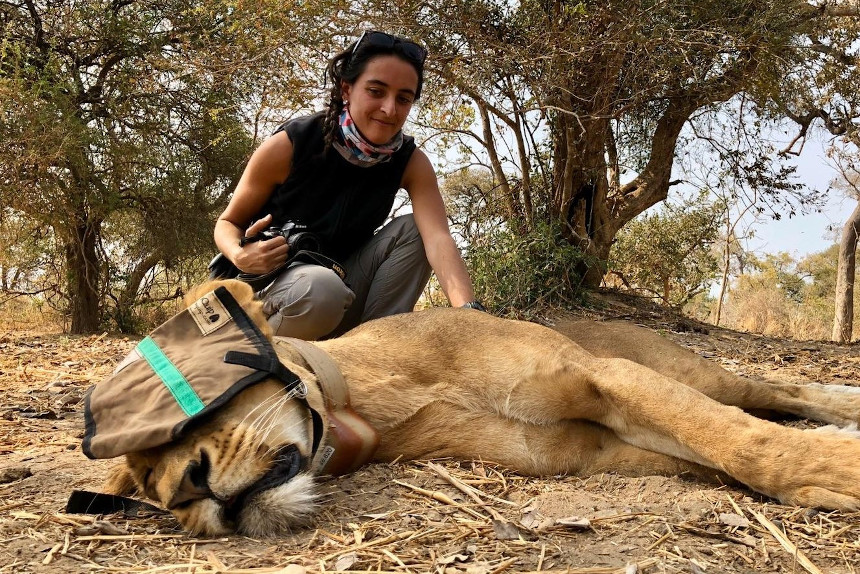
  • Collaring, tracking and movement data assistance
  • Anti-poaching and ranger-adjacent veterinary support
03

Capacity That Remains

Our strongest impact is the value left with local teams after each placement ends.

  • Training moments between vets, staff and students
  • Protocols, records and repeatable workflows
  • Direct financial support through ethical placements

How a placement becomes conservation value

1

Partner Need

A reserve, rescue centre or field team identifies work where participant support can be genuinely useful.

2

Field Briefing

Participants learn the context, ethics and safety boundaries before contributing to practical tasks.

3

Supervised Action

Work happens alongside veterinarians, researchers, rangers and conservation staff.

4

Recorded Outcome

Observations, cases and programme learning are documented so partners can use them beyond the placement.

Different ecosystems. Different conservation pressures. One careful standard.

Each destination is shaped around its local ecology, partner capacity and wildlife health priorities.

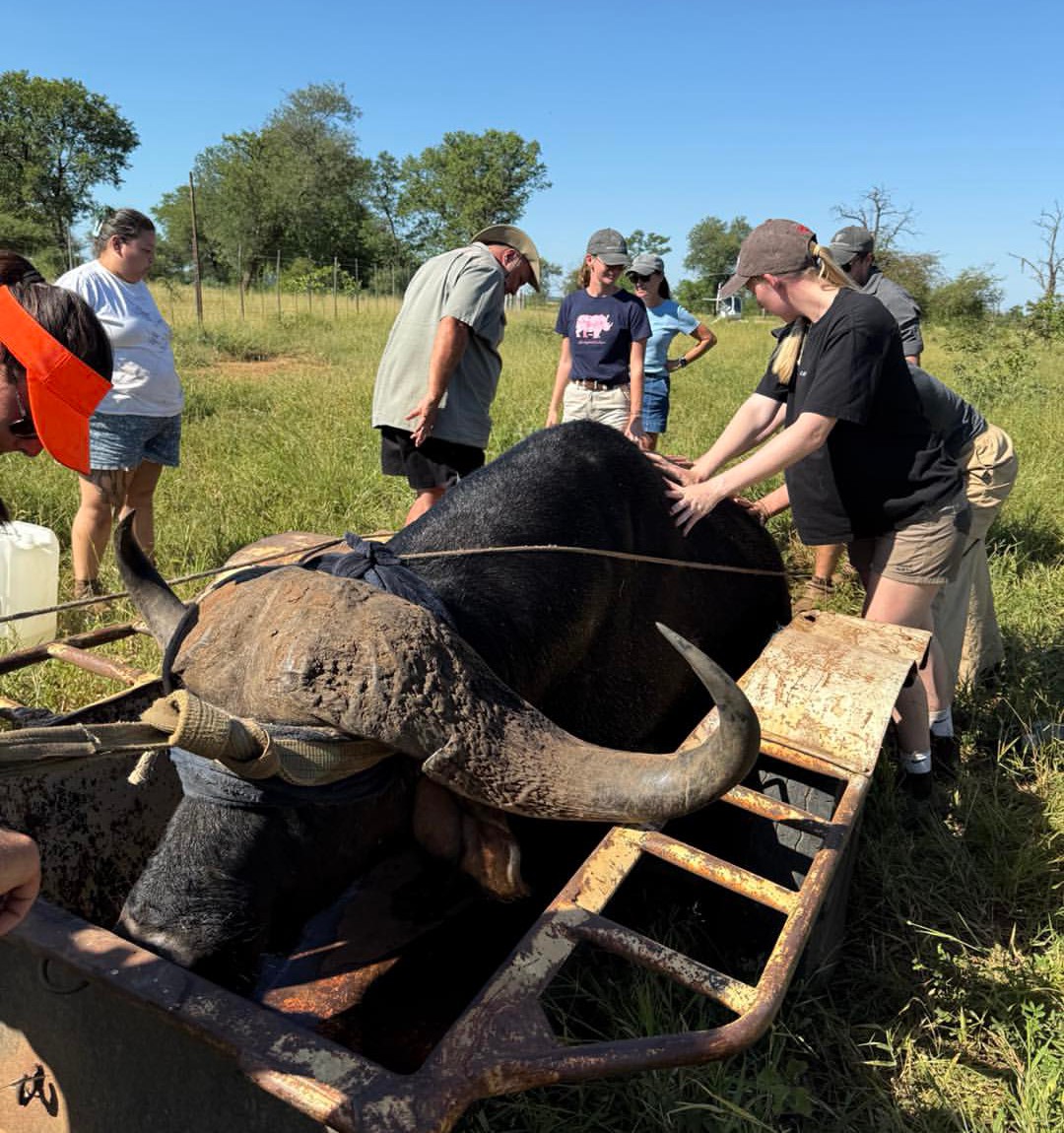
Wildlife veterinary helicopter support in South Africa
South Africa

Big Five Veterinary Response

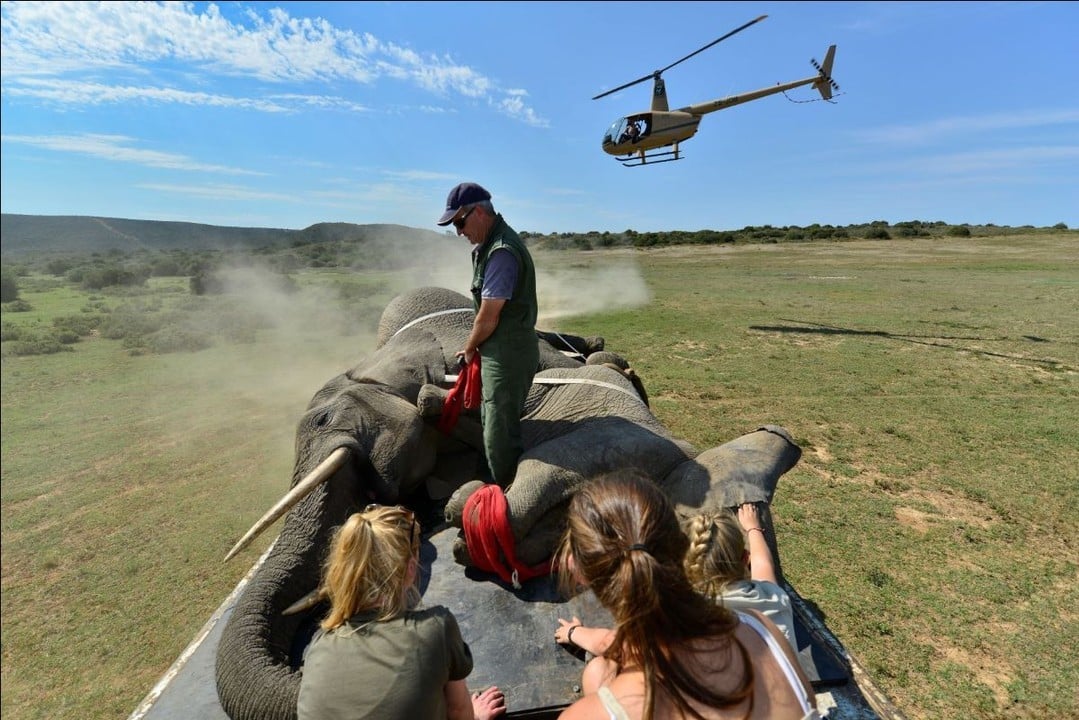
Reserve-based work supports rhino, elephant and predator interventions, patient monitoring and welfare-focused field operations.

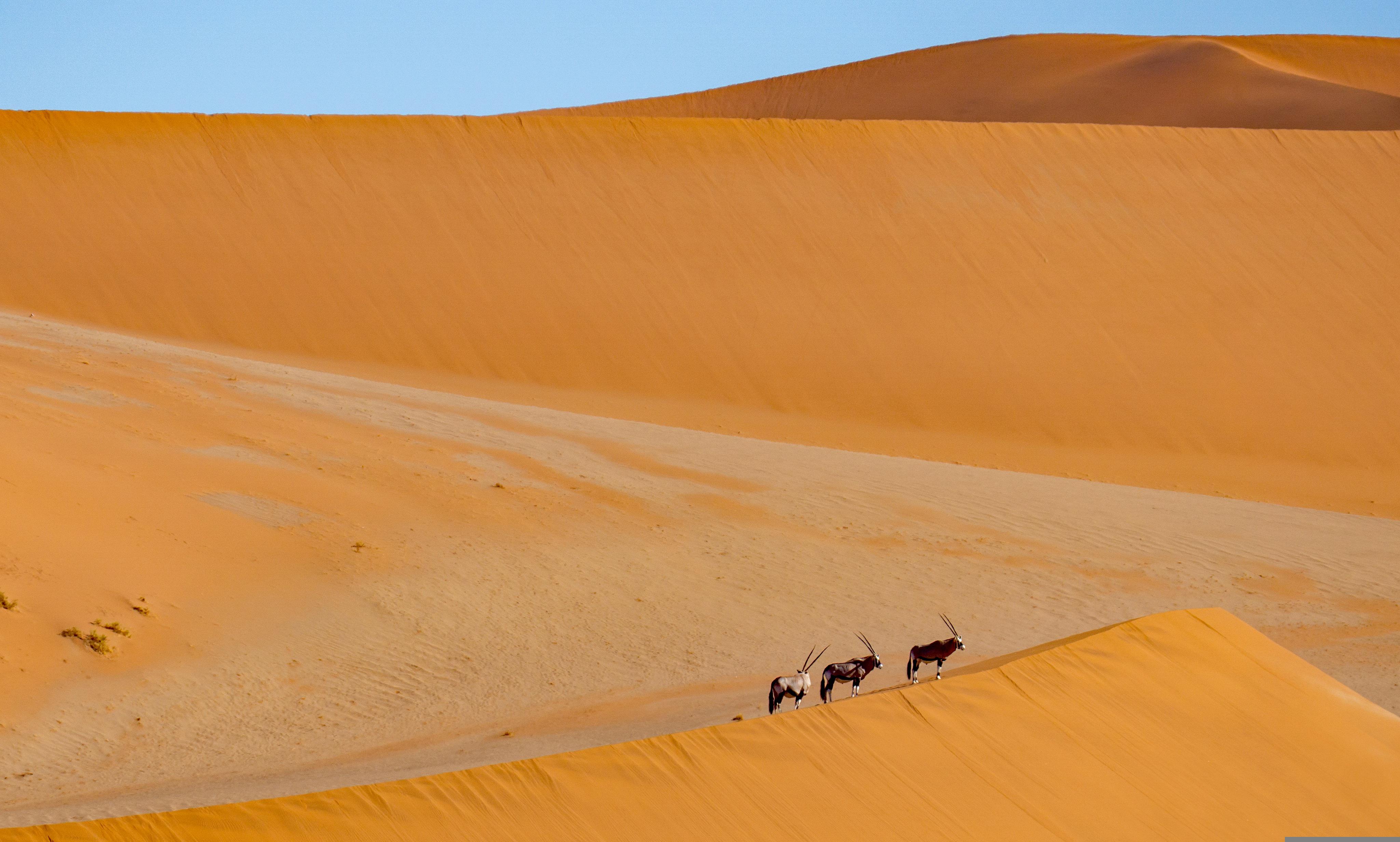
Namibian desert wildlife landscape
Namibia

Desert Wildlife and Community Conservation

Placements support low-density wildlife monitoring, carnivore awareness and desert-adapted species protection.

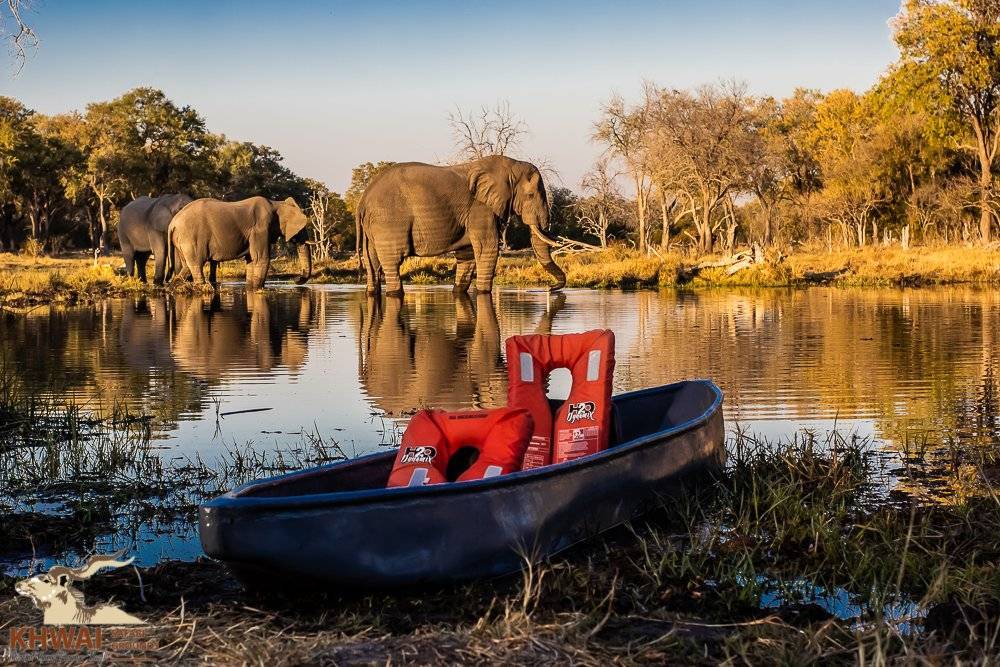
Botswana wetland conservation landscape
Botswana

Wetland Monitoring and Movement Data

Field work contributes to tracking, water-dependent habitat checks and corridor awareness in wilderness landscapes.

Tanzania and Zanzibar wildlife field programme
Tanzania and Zanzibar

Savannah to Coast Conservation

Participants support field readiness, wildlife checks, education and marine conservation across two connected ecosystems.

Wildlife collaring and monitoring operation

What participants actually help with

Tasks vary by season, animal need and partner priorities. The common thread is usefulness: participants assist with real work under supervision, with welfare and safety guiding every decision.

Clinical Support

Drug preparation, monitoring, sample handling, recovery observation and case recording.

Monitoring Support

Species observations, camera trap checks, tracking notes and habitat condition reporting.

Operational Support

Equipment preparation, transport support, enclosure care, food preparation and field logistics.

What we commit to. Every programme, every season.

These are not aspirations. They are operating conditions. If we can't meet them at a given partner site, we don't run the programme there.

Welfare before learning

Animal welfare is never compromised to create a learning moment. If an intervention is stressful for an animal beyond what the procedure requires, participants step back.

Partner-led, always

No task is initiated by GoWildAtlas staff. The conservation or veterinary team leads. We follow. Participants follow us. The hierarchy of expertise is non-negotiable.

No handling without supervision

Participants do not handle wildlife independently at any point. Every physical interaction with an animal happens alongside a qualified professional who has cleared it.

Honest group sizes

Groups are capped at 6–8 participants. We do not scale up to increase revenue. Larger groups compromise supervision quality and field safety.

No manufactured experiences

We do not create procedures for the sake of participant engagement. If a health check or intervention wasn't already planned by the field team, it doesn't happen because volunteers are present.

Fair compensation to partners

Partner sites receive meaningful financial support from every placement. We don't use conservation as a backdrop and return nothing to the people doing the actual work.

Honest programme descriptions

If a programme involves more observation than hands-on work in a given season, we say so before you book. You will not arrive expecting to dart rhinos and spend a week watching from a distance with no warning.

No trophy, canned or captive hunting adjacent operations

None of our partner sites support or benefit from trophy hunting, canned hunting, or lion bone trade. We vet partners on this explicitly.

"The best conservation placements do two things at once: they help the work happen today, and they create people who will protect wildlife better tomorrow."

GoWildAtlas Field Team

Impact is a responsibility, not a slogan.

We continue refining how we select partners, prepare participants, record outcomes and communicate conservation value. The goal is simple: every placement should respect wildlife, serve local expertise and leave a practical benefit behind.